

 Inquire (

 HOME
Hotel Mattress Procurement: How to Select the Right Mattress for Different Room Types
 Oct 12,2026

 Cloud Point
1. Why Hotel Mattress Selection Requires a Different Approach
Hotel mattress procurement is not the same as retail sourcing. In a hotel environment, a mattress must balance guest comfort, operational durability, housekeeping efficiency, and long-term replacement cost. A model that performs well in a standard room may not be suitable for suites, executive floors, or budget accommodations.
For hotel owners, procurement teams, and hospitality operators, the right hotel mattress choice should be made room type by room type. A consistent sleep experience strengthens brand perception, while mismatched products can lead to guest complaints, premature wear, and higher lifetime costs.
2. Standard Rooms: Comfort, Durability, and Cost Efficiency
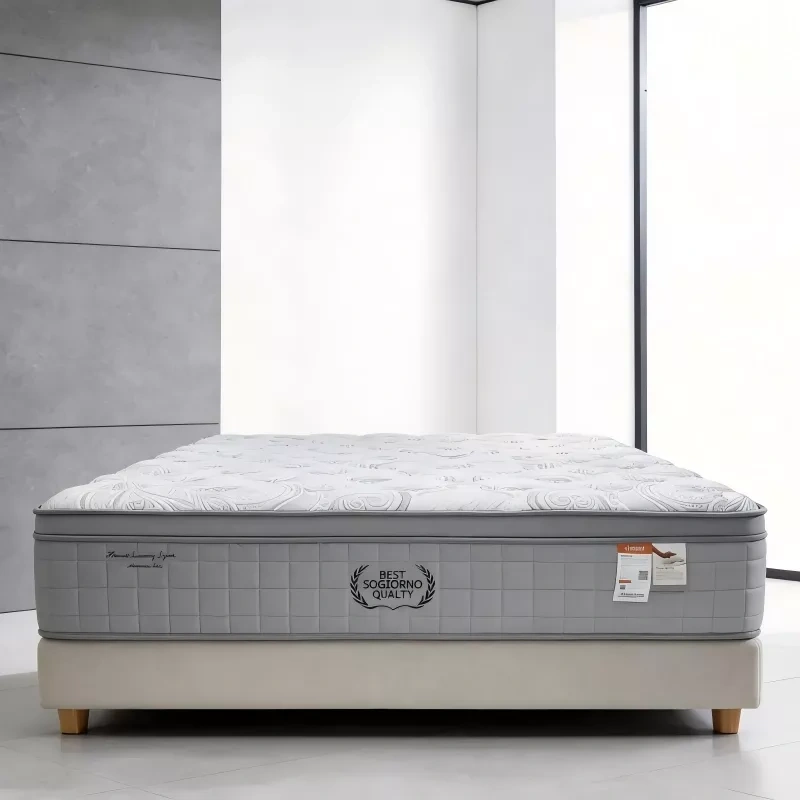
Standard rooms usually represent the largest share of hotel inventory, so the pocket spring mattress selection here must be commercially sustainable. The priority is a balanced combination of comfort, durability, and cost efficiency.
For standard rooms, buyers should consider:
Medium-firm support, which generally suits a wider range of sleepers
Pocket spring or hybrid construction for better motion isolation and edge support
Durable foam layers that resist compression under frequent use
Reinforced edge support to reduce sagging and improve seating comfort
Easy-to-clean ticking that can withstand regular housekeeping
A standard-room mattress does not need to be the most luxurious product in the portfolio, but it must remain consistent across hundreds of units. Batch-to-batch stability is essential for maintaining a uniform guest experience.
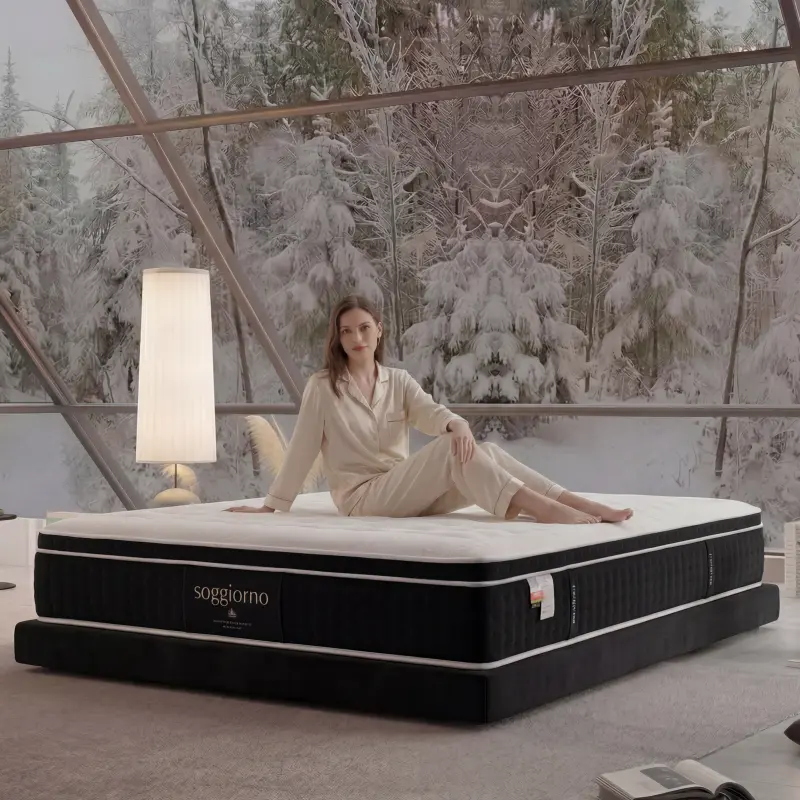
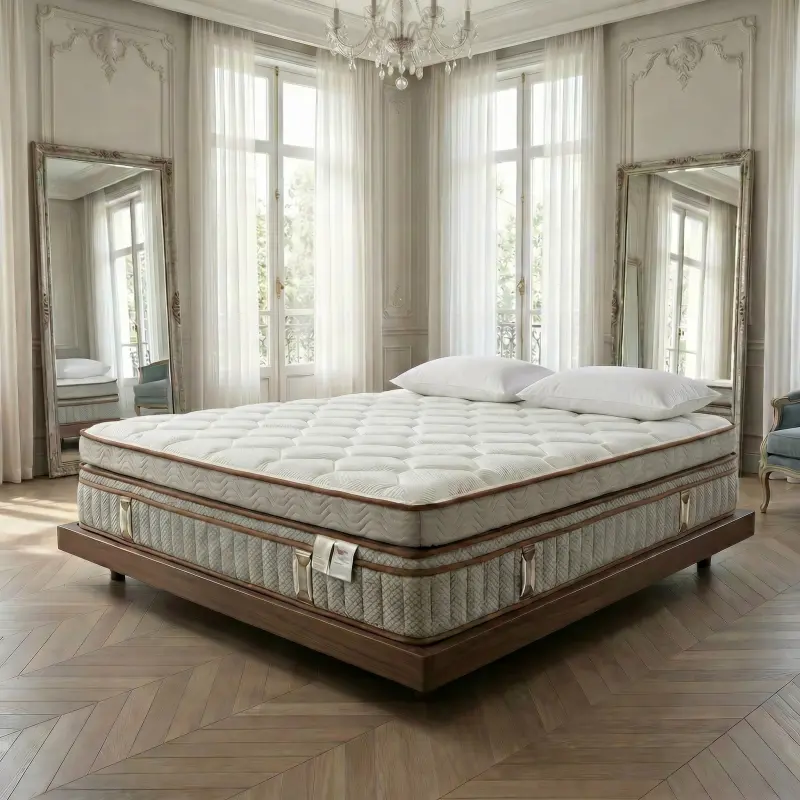
3. Suites and Executive Rooms: Premium Comfort and Brand Positioning
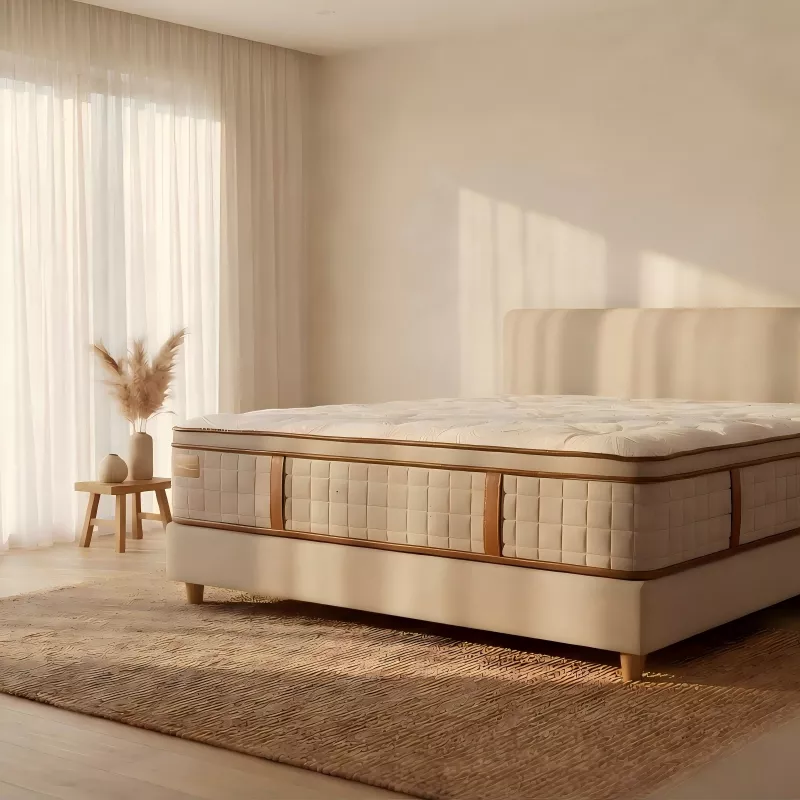
Suites and executive rooms serve guests who expect a higher level of comfort and refinement. The mattress in these rooms often becomes part of the hotel’s brand story, especially when the property promotes a signature sleep experience.
For premium rooms, procurement teams may consider:
Enhanced comfort layers, such as memory foam, latex, or pillow-top constructions
Higher coil counts or advanced pocket spring systems for refined support
Improved pressure relief for longer stays and more demanding guests
Premium fabric covers with better breathability and visual quality
Custom branding options, including embroidered labels or branded tags
The goal in suites is not simply to add thickness, but to create a noticeably superior sleep feel. A well-chosen premium mattress can strengthen guest loyalty and justify higher room rates.
4. Budget and Economy Rooms: Practical Performance and Lifecycle Cost
Budget and economy hotels require mattress solutions that remain comfortable while controlling upfront investment. However, low cost should not come at the expense of basic support or hygiene.
For economy segments, buyers should focus on:
Simple but reliable spring or foam support systems
Moderate firmness to reduce complaints from different guest types
Strong edge support to extend usable sleeping surface
Durable covers that resist staining and wear
Lower replacement frequency through better material selection
A budget mattress that needs replacement after a short period may cost more over time than a slightly higher-quality product with a longer service life. Lifecycle cost is often more important than the lowest initial price.
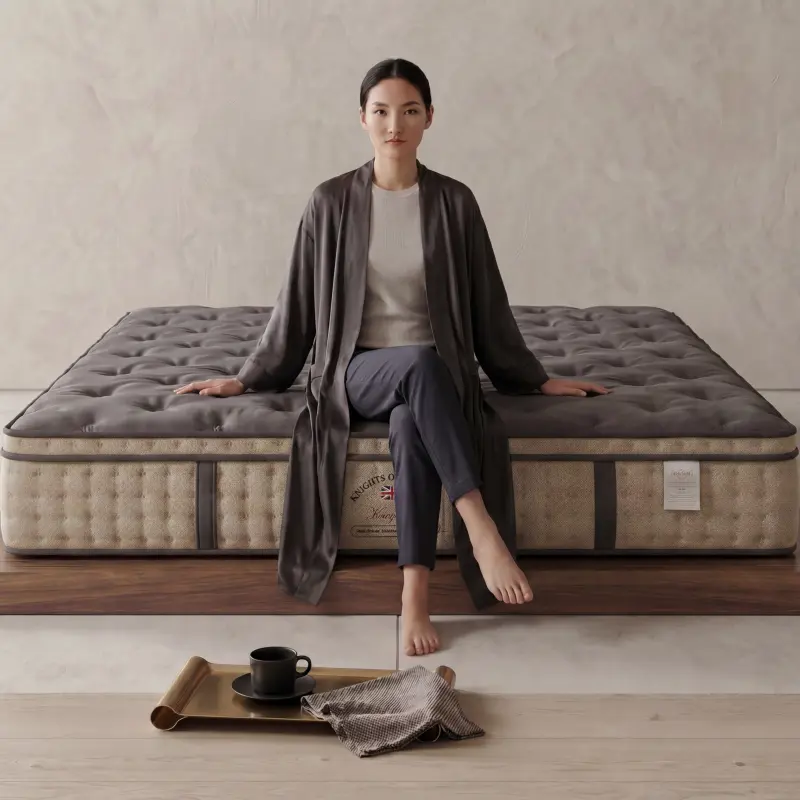
5. Extended-Stay, Resort, and Wellness Properties
Extended-stay hotels, resorts, and wellness properties face different usage patterns. Guests may stay longer, spend more time in the room, or have higher expectations for health and recovery.
In these environments, the mattress should support:
Longer sleep cycles with consistent pressure relief
Temperature regulation through breathable foams or ventilation structures
Motion isolation for couples or shared occupancy
Quiet support systems that minimize noise during movement
Allergen-friendly materials where hygiene and wellness are emphasized
Resort and wellness properties may also benefit from mattress designs that align with spa positioning, such as natural fiber layers, ergonomic zoning, or premium handcrafted finishes.
6. Procurement Best Practices for Hotel Mattress Projects
Once room types are defined, procurement should move from product selection to project execution. A clear process helps avoid inconsistencies across floors, buildings, or renovation phases.
Hotel buyers should confirm:
Unified firmness scale across all room categories
Sample approval for each room type before mass production
Batch consistency requirements in the purchase contract
Fire safety and compliance documents for the destination market
Warranty terms and after-sales support for defective units
Delivery schedule aligned with opening dates or renovation plans
Spare unit planning for quick replacement during operations
For large hotel projects, it is also useful to keep an approved mattress sample and specification sheet on file. This makes future replenishment or expansion easier and helps maintain brand consistency over time.
7. Conclusion: Match the Mattress to the Guest Journey
Selecting the right mattress for different hotel room types is a strategic decision, not just a purchasing task. Standard rooms need durable consistency, suites need elevated comfort, budget rooms need practical performance, and wellness-oriented properties need refined sleep support.
For B2B hotel buyers, the best results come from working with a mattress manufacturer that understands hospitality requirements, can deliver stable bulk quality, and supports compliance, packaging, and delivery planning. A well-structured mattress strategy protects guest satisfaction while improving operational efficiency and long-term cost control.
 Mattress Import to EU/USA: Customs, Duties & Documentation


 You May Also Like




 Tel
 Email
 Address
NO.9 industry rd, Gegao, Longjiang, Shunde, Foshan,China