

 Inquire (
 HOME
HOMEHow to Protect Your Mattress: A Comprehensive Guide ?
 Mar 02,2026

 Cloud Point
A high-quality mattress is a significant investment in your sleep health and overall well-being. On average, a good mattress can last between 7 to 10 years, but this lifespan is heavily dependent on how well you care for it. Dust mites, stains, spills, body oils, and improper handling can all shorten its life, reduce its comfort, and even affect your health. Protecting your mattress isn’t just about keeping it clean—it’s about preserving its structure, support, and hygiene for years to come. In this guide, we’ll break down four key strategies to protect your mattress, from daily maintenance to long-term care, ensuring you get the most out of your investment.
1. Invest in a High-Quality Mattress Protector
The first and most essential step to protecting your mattress is using a high-quality mattress protector. Think of it as a “shield” that acts as a barrier between your body and the mattress, preventing damage from spills, stains, sweat, and allergens. Many people confuse mattress protectors with mattress pads, but they serve different purposes: a mattress pad is primarily for added comfort, while a protector is designed for protection. When choosing a mattress protector, there are several factors to consider to ensure it effectively safeguards your mattress.
First, look for a protector that is waterproof or water-resistant. Accidents happen—whether it’s a spilled glass of water, a pet accident, or nighttime sweating—and a waterproof protector will prevent liquids from seeping into the mattress fibers. This is crucial because moisture trapped in the mattress can lead to mold, mildew, and unpleasant odors, which are not only hard to remove but also harmful to your health. Opt for protectors made with breathable materials like cotton, bamboo, or polyester blends, as these will keep you cool while still providing protection. Avoid plastic protectors, as they can be noisy and trap heat, making your sleep uncomfortable.
Second, choose a protector that fits your mattress properly. Ill-fitting protectors can bunch up, shift around, or tear, leaving parts of the mattress exposed. Measure your mattress’s thickness (including any mattress toppers) before purchasing, and look for protectors labeled for your mattress size (twin, full, queen, king, etc.) and thickness. Some protectors come with deep pockets or elasticized edges to ensure a snug fit, which also helps prevent wrinkles and bunching during sleep.
Third, consider the type of protector based on your needs. If you have allergies, look for a hypoallergenic protector that blocks dust mites, pet dander, and other allergens. These protectors are often made with tightly woven fabrics that prevent tiny particles from penetrating the mattress. For those with pets, a durable, tear-resistant protector is ideal to withstand scratches and accidents. Additionally, some protectors are machine-washable, which makes cleaning easy—aim for one that can be washed in cold or warm water and dried on a low setting to maintain its waterproof properties.
Using a mattress protector isn’t a one-time step; you should replace it every 1 to 2 years, or sooner if it becomes damaged, stained, or loses its waterproofing. A well-maintained protector will not only protect your mattress but also extend its life significantly.
2. Establish a Regular Cleaning Routine
Even with a mattress protector, your mattress will still accumulate dust, dirt, and body oils over time. Establishing a regular cleaning routine will help keep your mattress fresh, hygienic, and in good condition. The frequency of cleaning depends on how often you use the mattress, whether you have pets or children, and your personal habits, but a general rule of thumb is to clean your mattress every 3 to 6 months. Below is a step-by-step guide to cleaning your mattress effectively.
Start by stripping the bed completely—remove all sheets, pillowcases, mattress protector, and any toppers. Wash these items according to their care instructions; sheets and pillowcases should be washed weekly, while the protector can be washed monthly or as needed. Once the bed is stripped, vacuum the mattress thoroughly using the upholstery attachment on your vacuum cleaner. This will remove surface dust, dirt, hair, and dust mites. Pay special attention to the seams, edges, and crevices, as these areas tend to trap the most debris. For a deeper clean, you can use a handheld vacuum or a brush attachment to loosen any embedded dirt.
Next, treat any stains on the mattress. Stains from sweat, blood, food, or pets can be unsightly and hard to remove if left untreated. For organic stains (like sweat or blood), mix equal parts hydrogen peroxide and water, and apply a small amount to the stain using a clean cloth. Gently blot the stain (do not rub, as this can push the stain deeper into the mattress fibers) until it fades. For tougher stains, you can add a small amount of mild dish soap to the mixture. For non-organic stains (like ink or coffee), use a specialized upholstery cleaner designed for mattresses, following the manufacturer’s instructions carefully. Always test any cleaning solution on a small, inconspicuous area of the mattress first to ensure it doesn’t discolor or damage the fabric.
After treating stains, deodorize the mattress to eliminate any unpleasant odors. Baking soda is a natural, non-toxic deodorizer that works well for mattresses. Sprinkle a generous layer of baking soda over the entire surface of the mattress, making sure to cover all areas. Let the baking soda sit for at least 4 hours (or overnight for best results), as this will allow it to absorb odors and moisture. Once the baking soda has had time to work, vacuum it up thoroughly, making sure to remove all traces of the powder.
Finally, air out the mattress. Open the windows in your bedroom to allow fresh air to circulate, or place the pocket spring mattress in a well-ventilated area if possible. This will help dry out any remaining moisture and keep the mattress fresh. Avoid exposing the mattress to direct sunlight for extended periods, as this can cause the fabric to fade and the materials to break down over time.
3. Practice Proper Mattress Handling and Placement
How you handle and place your mattress can have a significant impact on its lifespan. Improper handling can damage the mattress’s structure, while poor placement can lead to uneven wear and tear. Whether you’re moving your mattress, setting it up for the first time, or rearranging your bedroom, following these guidelines will help protect your mattress.
First, always use a proper bed frame. A sturdy bed frame provides support for the mattress, preventing it from sagging or developing uneven wear. Avoid placing the mattress directly on the floor, as this can expose it to dust, moisture, and pests. If you don’t have a bed frame, use a platform bed or a box spring (if recommended by the mattress manufacturer). Box springs provide additional support and help distribute weight evenly, which can extend the life of your mattress. However, not all mattresses require a box spring—memory foam and latex mattresses, for example, often work best on a solid platform or slatted bed frame with slats no more than 3 inches apart.
When moving the mattress, always lift it with two or more people. Mattresses are heavy and awkward to carry, and lifting them alone can strain your back and damage the mattress’s edges or seams. Never bend or fold the mattress, as this can break the internal springs (for innerspring mattresses) or damage the foam layers (for memory foam or latex mattresses). If you need to transport the mattress, use a mattress bag to protect it from dirt, dust, and damage during transit. Avoid dragging the mattress across the floor, as this can tear the fabric and damage the structure.
Another important aspect of proper placement is ensuring good ventilation around the mattress. The mattress needs to “breathe” to prevent moisture buildup, which can lead to mold and mildew. Leave at least 2 to 3 inches of space between the mattress and the walls, and avoid placing heavy furniture against the mattress. Additionally, avoid placing the mattress in areas with high humidity, such as basements or bathrooms, as this can increase the risk of moisture damage.
Finally, rotate or flip your mattress regularly. This helps distribute weight evenly, preventing sagging and uneven wear. The frequency of rotation depends on the type of mattress: innerspring mattresses should be flipped every 3 to 6 months, while memory foam and latex mattresses should be rotated (but not flipped, as they have a top and bottom layer) every 6 to 12 months. Some mattresses are designed to be one-sided, so check the manufacturer’s instructions before flipping or rotating to avoid damaging the mattress.
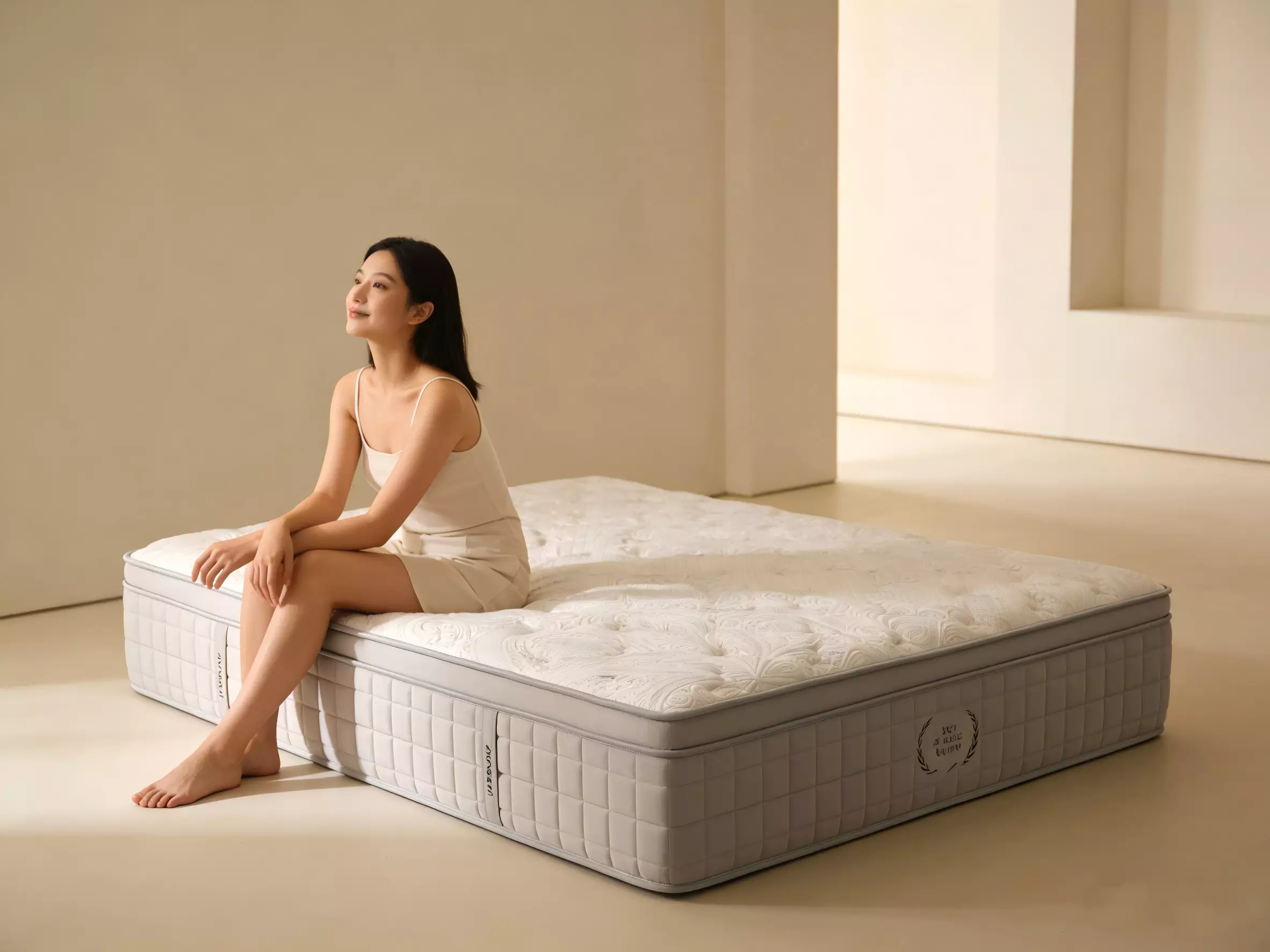
4. Avoid Common Mistakes That Damage Mattresses
Even with the best intentions, many people unknowingly damage their mattresses by making simple mistakes. By avoiding these common pitfalls, you can extend the life of your mattress and keep it in good condition for years to come. Below are some of the most common mistakes to avoid.
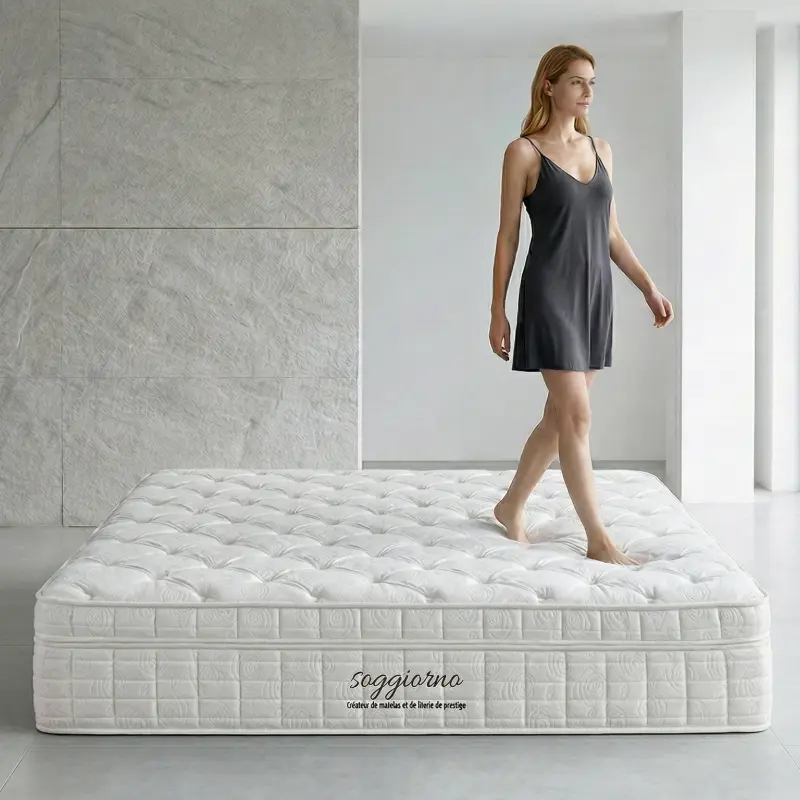
One of the biggest mistakes is jumping on the bed. Jumping or standing on the mattress can damage the internal springs, foam layers, and seams, leading to sagging and reduced support. This is especially true for innerspring mattresses, as the springs can break or become misaligned from the impact. Teach children not to jump on the bed, and avoid standing on the mattress when changing sheets or moving pillows.
Another common mistake is ignoring spills and stains. When a spill occurs, it’s important to clean it up immediately to prevent the liquid from seeping into the mattress fibers. Waiting too long can make the stain harder to remove and increase the risk of mold and mildew. Always keep a clean cloth and cleaning solution handy to treat spills as soon as they happen.
Using harsh cleaning products is also a mistake. Strong chemicals like bleach, ammonia, or abrasive cleaners can damage the mattress’s fabric and materials, causing discoloration, fading, and even breakdown of the foam or springs. Stick to mild, non-toxic cleaning solutions like hydrogen peroxide, baking soda, or specialized mattress cleaners to avoid damaging your mattress.
Overloading the mattress with heavy items is another common issue. Avoid placing heavy furniture, boxes, or other items on the mattress for extended periods, as this can cause sagging and uneven wear. Additionally, avoid sleeping with too many people on the mattress (beyond its weight capacity), as this can strain the mattress’s structure and reduce its lifespan. Check the manufacturer’s weight capacity guidelines and adhere to them to prevent damage.
Finally, neglecting to replace an old or damaged mattress is a mistake. Even with proper care, mattresses will eventually wear out. Signs that it’s time to replace your mattress include persistent sagging, lumps, uneven support, frequent back or neck pain, and unpleasant odors that won’t go away. Continuing to use an old or damaged mattress not only affects your sleep quality but can also lead to health issues.
Conclusion
Protecting your mattress is a simple yet important task that can save you money, improve your sleep quality, and promote better health. By investing in a high-quality mattress protector, establishing a regular cleaning routine, practicing proper handling and placement, and avoiding common mistakes, you can extend the life of your mattress and keep it in excellent condition for years to come. Remember, your mattress is an investment in your well-being—taking care of it will ensure it takes care of you.
Whether you have an innerspring, memory foam, latex, or hybrid mattress, these tips apply to all types. By following this comprehensive guide, you can enjoy a comfortable, clean, and supportive mattress for many years, making the most of your investment.

 Memory Foam Mattress vs. Spring Mattress – Which One Is Better for You? | Chinese Mattress Factory


 You May Also Like















 Tel
Tel
 Email
Email
 Address
NO.9 industry rd, Gegao, Longjiang, Shunde, Foshan,China