

 Inquire (
 HOME
HOMELuxury Mattress Construction: Layer by Layer for Maximum Comfort
 Aug 13,2026

 Cloud Point
1. The Science Behind a Premium Mattress: Why Layering Matters
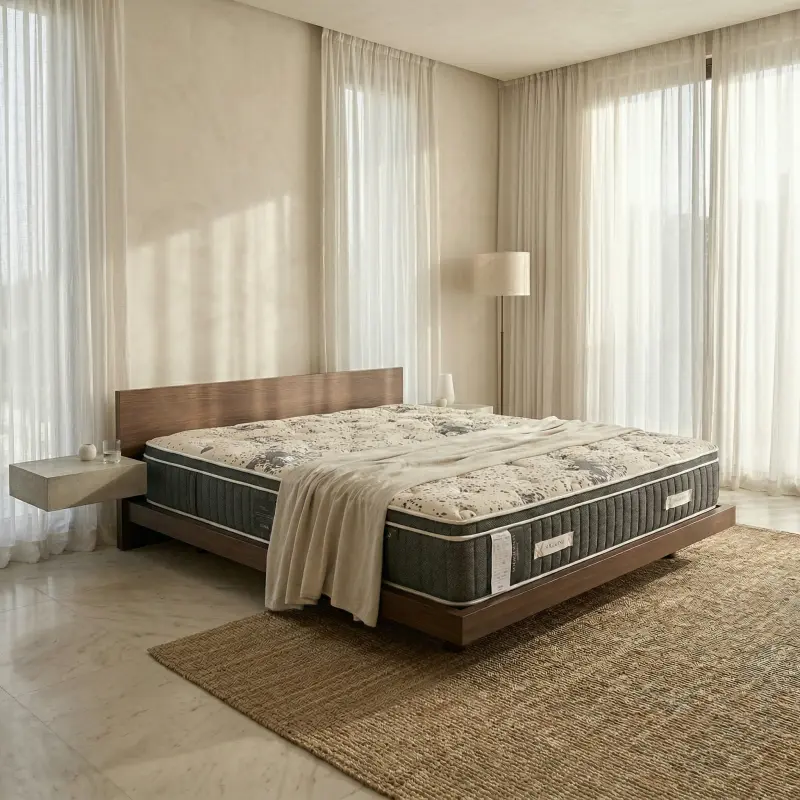
In the luxury bedding segment, comfort is not accidental—it is engineered. For B2B buyers, retailers, and hospitality brands, understanding luxury mattress construction is essential for selecting products that deliver consistent performance, strong margins, and lasting customer satisfaction. A high-end mattress is not defined by a single material, but by how each layer works together to balance pressure relief, spinal support, temperature regulation, and motion isolation.
When sourcing from a professional mattress factory, the construction method becomes a key differentiator. A well-designed luxury mattress typically combines a breathable quilted surface, advanced comfort foams, a responsive transition layer, and a durable support core. Each component influences how the mattress feels, how long it lasts, and how well it performs across different sleeper profiles.
2. The Quilted Top Layer: First Impression and Surface Comfort
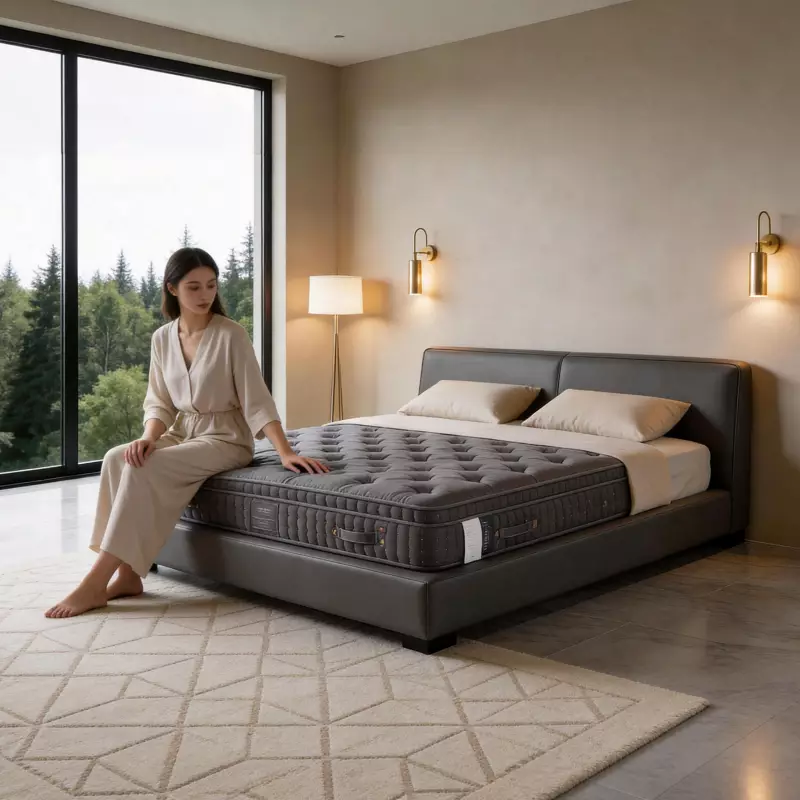
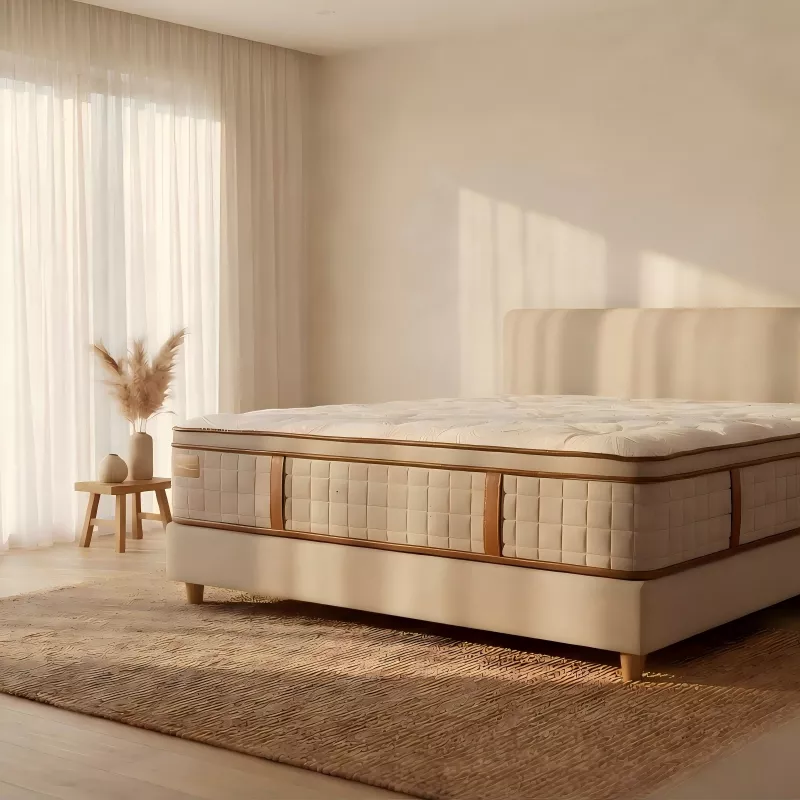
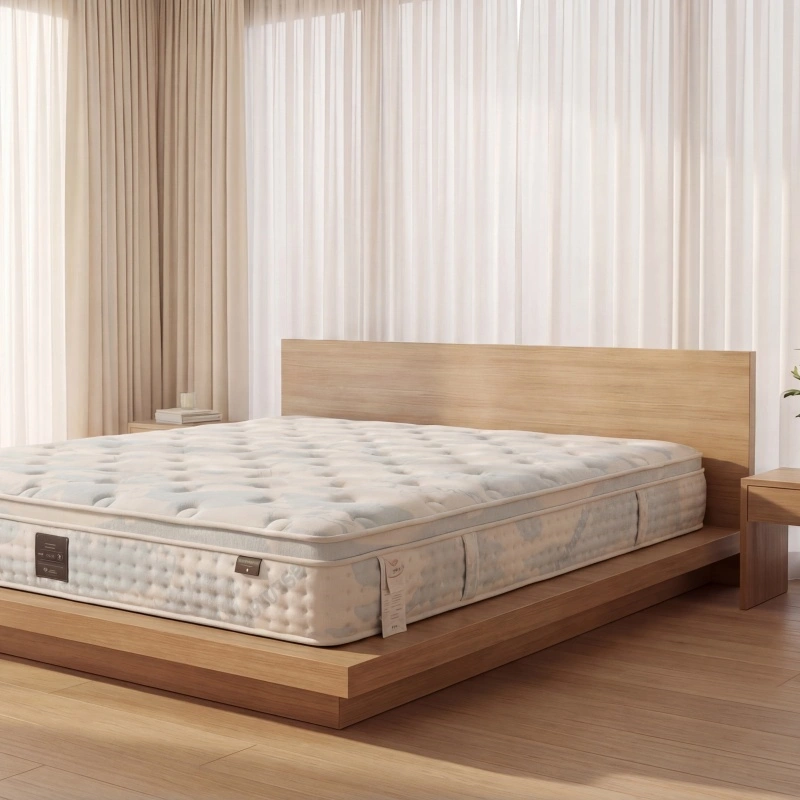
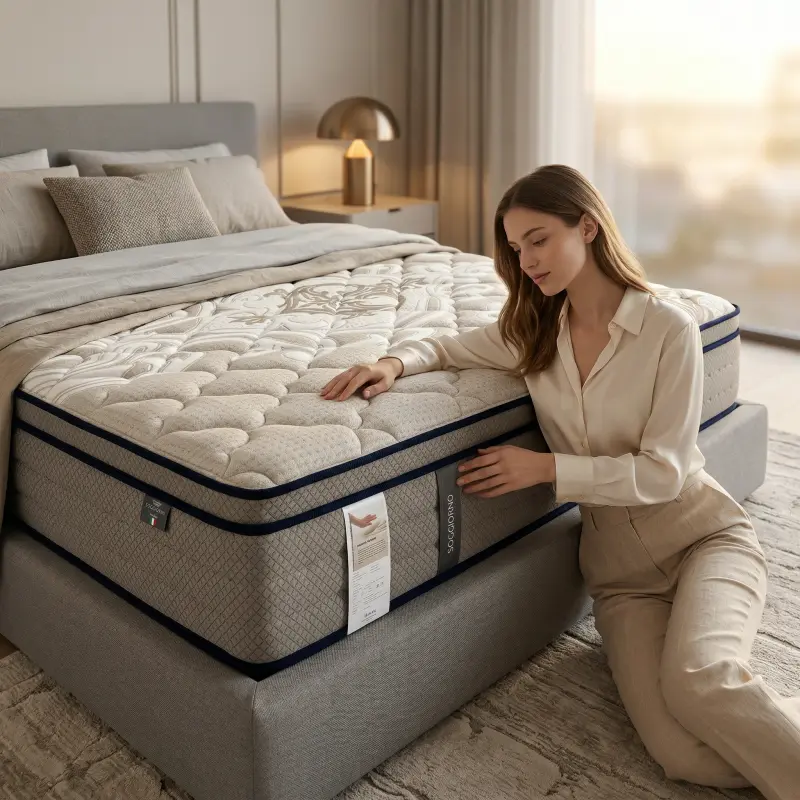
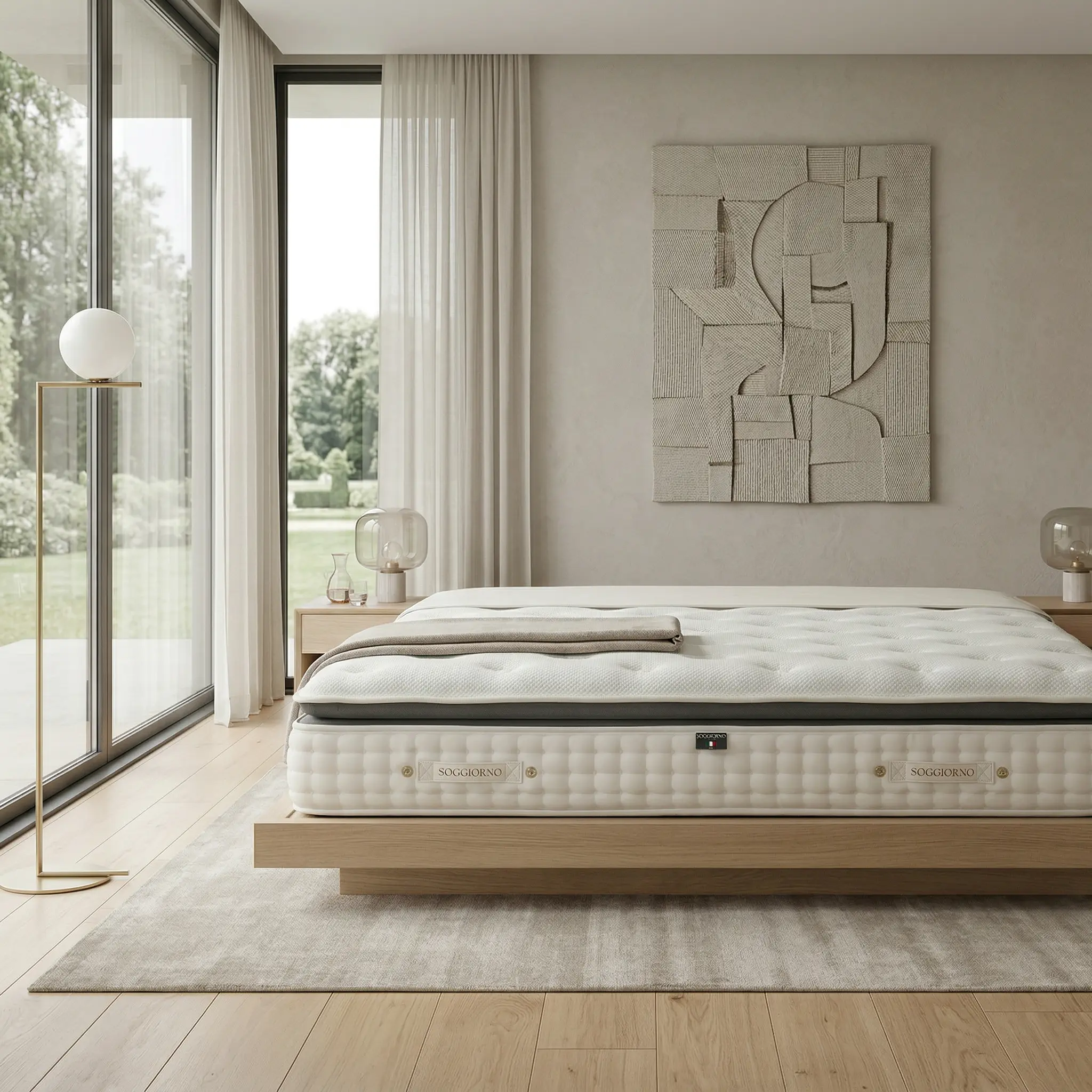
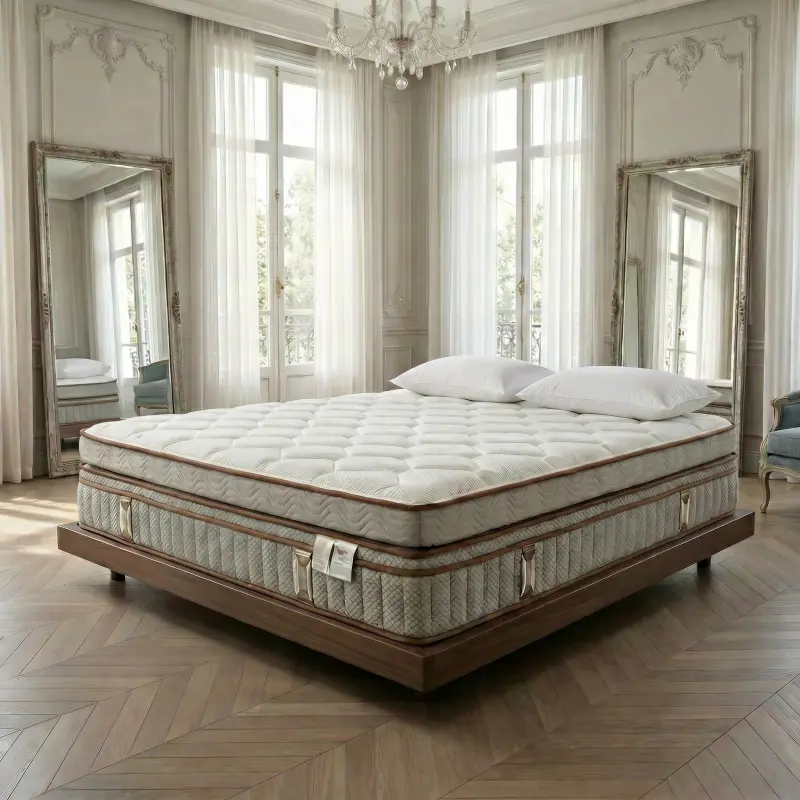
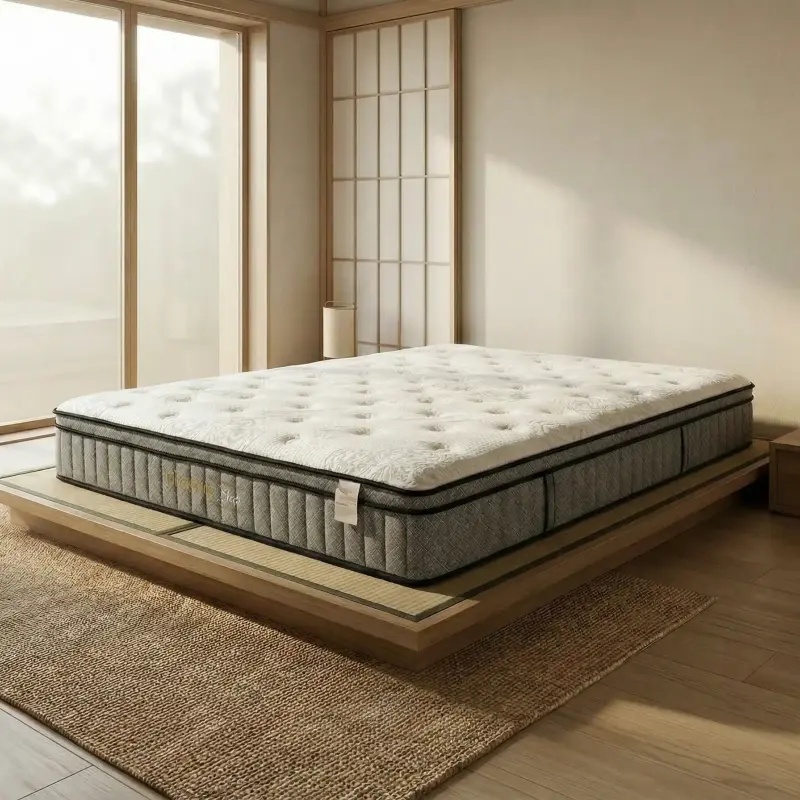
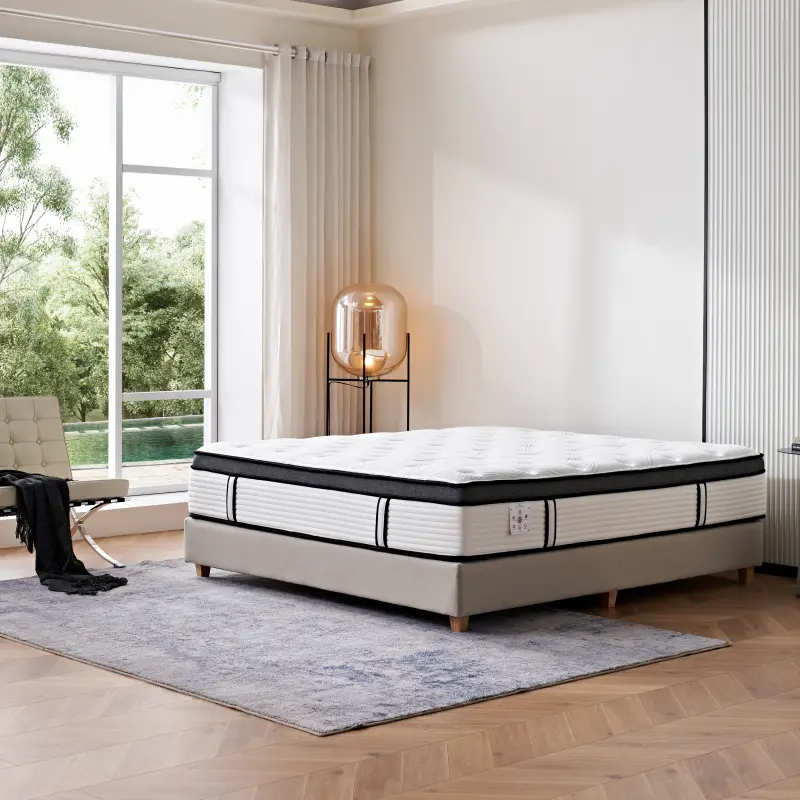
The top layer of a luxury mattress is where the sleeper first experiences comfort. This layer usually includes a premium fabric cover, quilted padding, and sometimes a thin comfort foam or fiber layer. Its main role is to create a soft, breathable, and inviting surface without compromising support.
For B2B buyers, the quilted layer is especially important because it shapes the initial feel of the mattress. A well-executed quilted top can enhance perceived softness, improve airflow, and add a refined aesthetic that supports premium brand positioning. However, this layer must be carefully balanced. If it is too thick or too soft, it may reduce support; if it is too firm, it can weaken the luxury feel.
A strong luxury mattress design uses high-quality ticking fabrics, durable stitching, and breathable padding to ensure the surface remains comfortable, stable, and visually appealing over time.
3. The Comfort Foam Layer: Pressure Relief and Body Contouring
Below the quilted surface, the comfort foam layer plays a critical role in shaping the sleep experience. This is where materials such as memory foam, gel foam, latex, or high-resilience foam come into play. In a luxury mattress, this layer is designed to contour to the body, relieve pressure on the shoulders, hips, and lower back, and reduce tossing and turning.
Memory foam layers are especially valued for their adaptive feel, while gel-infused or open-cell foams help improve breathability. Latex layers, when used, can add responsiveness and a more buoyant sleeping surface. The choice of comfort foam depends on the target market, price positioning, and the desired feel of the finished mattress.
For B2B customers, this layer is a powerful selling point. It allows brands to create distinct product identities—such as cooling, orthopedic, cloud-soft, or balanced-support mattress models—while maintaining consistent manufacturing quality.
4. The Transition Layer: Bridging Comfort and Support
One of the most overlooked but important parts of luxury mattress construction is the transition layer. This layer sits between the soft comfort foams and the firmer support core. Its job is to prevent the sleeper from feeling “stuck” in the top layers while also avoiding a sudden hard surface underneath.
A good transition layer improves responsiveness, stabilizes body weight distribution, and protects the long-term performance of the pocket spring mattress. Without it, a mattress may feel either too soft and unsupportive or too firm and uncomfortable. This balance is especially important for hybrid models, foam mattress designs, and premium hospitality products where guest comfort must remain consistent night after night.
For wholesale and OEM/ODM buyers, the transition layer is a key area for customization. Adjusting its density, thickness, and material composition allows a mattress factory to fine-tune firmness levels without redesigning the entire product.
5. The Support Core: The Foundation of Durability
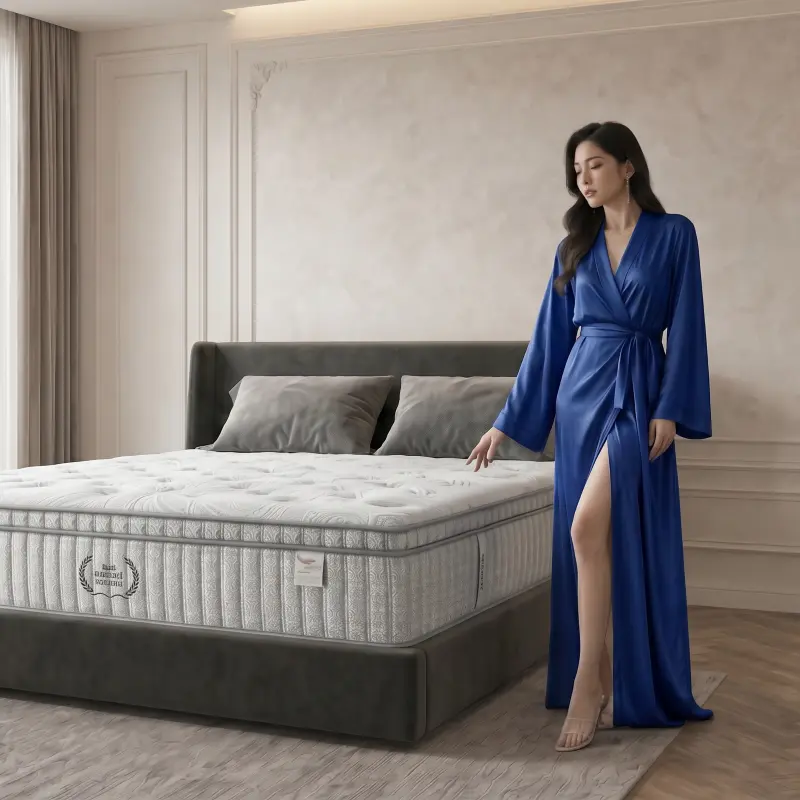
The support core is the structural foundation of every luxury mattress. It determines how well the mattress carries weight, maintains shape, and resists sagging over time. In foam-based models, this is usually a high-density foam base. In hybrid or spring models, it may include pocket springs, micro-coils, or a combination of springs and foam.
A strong support core is essential for durability. In B2B markets such as hotels, rental properties, and retail brands, the mattress must withstand repeated use while maintaining its original performance. A weak core can lead to premature sagging, edge collapse, and customer complaints—even if the top layers feel luxurious at first.
For buyers evaluating a mattress supplier, the support core should never be treated as a hidden detail. It directly affects product lifespan, warranty performance, and brand reputation. A reliable mattress factory will clearly specify core density, spring count, wire gauge, edge support design, and load-bearing performance.
6. Edge Support and Motion Isolation: Practical Luxury Features
Luxury mattress construction is not only about softness; it is also about practical performance. Edge support ensures that sleepers can use the full surface of the mattress without feeling unstable near the sides. This is especially important for couples, older guests, and hotel environments where safety and usability matter.
Motion isolation is another critical feature, particularly for memory foam and hybrid mattress designs. When one person moves during the night, a well-constructed mattress should minimize disturbance to the other sleeper. This makes layered construction especially valuable for double, queen, and king-size models.
For B2B buyers, these features help justify premium pricing. A luxury mattress should not only look and feel refined, but also perform reliably in real-world sleeping conditions.
7. Why Layer-by-Layer Construction Matters for B2B Buyers
For retailers, hospitality groups, and brand owners, understanding luxury mattress construction layer by layer makes sourcing more strategic. It allows buyers to move beyond price comparisons and evaluate the real value inside the product.
A well-built mattress combines:
A breathable quilted surface for comfort and aesthetics
A comfort foam layer for pressure relief
A transition layer for balance and responsiveness
A durable support core for long-term performance
Reinforced edges and motion control for practical usability
When these layers are engineered correctly, the result is a mattress that feels luxurious, performs consistently, and supports stronger B2B positioning.
8. Conclusion: Engineering Comfort Through Smart Mattress Design
Luxury mattress construction is more than premium materials—it is the result of careful layering, precise material selection, and consistent manufacturing quality. For B2B buyers, choosing the right mattress partner means understanding how each layer contributes to comfort, durability, and market appeal.
From the quilted top to the support core, every component shapes the final sleep experience. A professional mattress factory can help brands customize these layers to meet specific market needs, whether for retail, hospitality, wholesale, or private-label projects. By focusing on layer-by-layer construction, buyers can source a luxury mattress that delivers maximum comfort, reliable performance, and long-term commercial value.
 Hypoallergenic Mattress for Hotels & Healthcare: Dust Mite and Anti-Bacterial Protection for Safe Sleep


 You May Also Like


 Tel
Tel
 Email
Email
 Address
NO.9 industry rd, Gegao, Longjiang, Shunde, Foshan,China