

 Inquire (
 HOME
HOMEMattress Firmness Guide 2026: How to Choose the Right Firmness for Your Sleep Style
 Apr 10,2026

 Cloud Point
When it comes to choosing a mattress, one of the most important decisions you’ll make is selecting the right firmness level.
The firmness of your mattress directly impacts your comfort, sleep quality, and even your physical health. A mattress that’s too soft can cause your spine to curve, leading to back pain and discomfort. A mattress that’s too firm can put pressure on your pressure points, causing shoulder, hip, and back pain. The key is to find a mattress firmness level that provides the perfect balance of comfort and support for your sleep style. In this 2026 mattress firmness guide, we’ll explain the 1-10 firmness scale, how to choose the right firmness for your sleep position, and the factors that influence firmness.
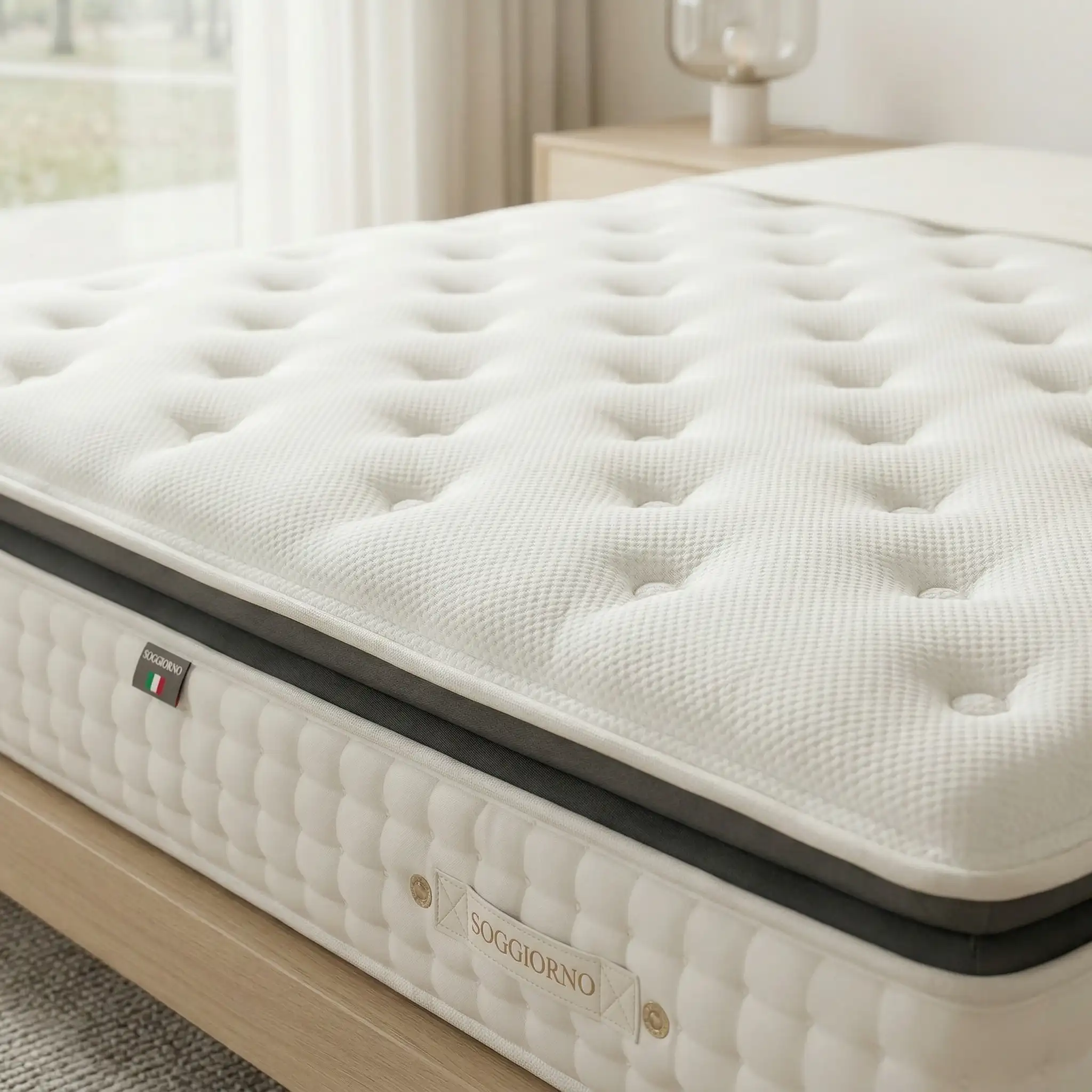
First, let’s understand the mattress firmness scale. The mattress industry uses a standard 1-10 firmness scale, with 1 being extremely soft and 10 being extremely firm. Most mattresses fall between 3 and 8 on the scale, as extremely soft (1-2) and extremely firm (9-10) mattresses are rare and not suitable for most sleepers. Let’s break down the firmness scale in detail:
1-2 (Extremely Soft): These mattresses are very plush and sinkable, like sleeping on a cloud. They provide almost no support, and they are not recommended for most sleepers. They may be suitable for people who weigh less than 120 pounds and prefer a very soft feel, but they can cause back pain for most people.
3-4 (Soft to Medium-Soft): These mattresses are plush and contouring, with a deep “hug” feel. They provide enough support to keep your spine aligned, while still offering plenty of cushioning for pressure points. They are ideal for side sleepers, people who weigh less than 150 pounds, and anyone who prefers a soft, cozy feel.
5-7 (Medium to Medium-Firm): This is the “sweet spot” for most sleepers. Medium to medium-firm mattresses provide a balance of cushioning and support, making them suitable for back sleepers, combination sleepers, and many side sleepers. They keep your spine aligned while still offering enough contouring to relieve pressure points. Most people find this firmness level comfortable and supportive.
8-9 (Firm): These mattresses are very supportive, with minimal sinkage. They provide a “on-top-of-the-bed” feel, and they are ideal for stomach sleepers, people who weigh more than 200 pounds, and some back sleepers. They prevent your hips from sinking too far, which helps to keep your spine aligned. However, they can be too firm for side sleepers, as they may put pressure on the shoulders and hips.
10 (Extremely Firm): These mattresses are extremely rigid, with virtually no give. They feel like sleeping on the floor, and they are not recommended for most sleepers. They may be suitable for people with specific medical conditions, but they are generally uncomfortable for most people.
Now, let’s determine the right firmness level for your sleep position. Your sleep position is one of the most important factors in choosing mattress firmness, as different sleep positions require different levels of support:
Side Sleepers: Side sleepers need a pocket spring mattress that is soft enough to cushion their shoulders and hips, but firm enough to keep their spine aligned. The ideal firmness level for side sleepers is 3-6 (soft to medium). Side sleepers who weigh less than 150 pounds may prefer a softer mattress (3-4), while those who weigh 150-200 pounds may prefer a medium mattress (5-6). Side sleepers who weigh more than 200 pounds may need a medium-firm mattress (6-7) to provide enough support.
Back Sleepers: Back sleepers need a mattress that provides even support for their entire body, keeping their spine in a neutral position. The ideal firmness level for back sleepers is 5-7 (medium to medium-firm). A medium-firm mattress (6-7) is especially good for back sleepers who weigh more than 180 pounds, as it provides more support. Back sleepers who weigh less than 150 pounds may prefer a medium mattress (5-6) for more cushioning.
Stomach Sleepers: Stomach sleepers need a mattress that is firm enough to prevent their hips from sinking too far, which can cause their spine to curve. The ideal firmness level for stomach sleepers is 7-9 (firm). Stomach sleepers who weigh more than 200 pounds may need a firmer mattress (8-9), while those who weigh less than 150 pounds may prefer a medium-firm mattress (7).
Combination Sleepers: Combination sleepers switch between side, back, and stomach sleeping during the night. They need a mattress that is versatile enough to provide support and comfort in all positions. The ideal firmness level for combination sleepers is 5-7 (medium to medium-firm), as it provides a balance of cushioning and support.
 Roll Up Mattress Complete Guide: Benefits, Types and How to Choose the Best One
 You May Also Like











 Tel
Tel
 Email
Email
 Address
NO.9 industry rd, Gegao, Longjiang, Shunde, Foshan,China