

 Inquire (
 HOME
HOMEMattress OEM/ODM Manufacturing Guide: From Concept to Container Loading
 Sep 21,2026

 Cloud Point
1. Introduction: The Strategic Value of Professional Mattress Manufacturing
In the competitive world of bedding and furniture, the difference between a brand that survives and one that thrives often comes down to the quality of its supply chain. For B2B buyers—whether you are a hotel procurement manager, a retail chain owner, or an e-commerce startup—sourcing a mattress is not just about buying a product; it is about securing a partnership.
Navigating the complexities of mattress OEM (Original Equipment Manufacturer) and ODM (Original Design Manufacturer) services requires a clear understanding of the production lifecycle. From the initial selection of foam and springs to the final compression and container loading, every step impacts the comfort, durability, and profitability of your final product. This guide details the professional workflow of mattress manufacturing, ensuring you know exactly what to expect when partnering with a top-tier factory.

2. Defining Your Specifications: Material Selection and Design
The foundation of a superior mattress lies in its internal components. During the consultation phase, B2B clients must define their target market and price point. A factory will then guide you through the technical specifications.
For spring systems, the choice often lies between Bonnell coils for durability and cost-effectiveness, or Pocket Springs for superior motion isolation and ergonomic support. In the realm of foam, the density and ILD (Indentation Load Deflection) are critical. High-quality Memory Foam conforms to the body, while high-resilience foam provides bounce. For modern mattress designs, Gel-infused foam or Latex layers are often added to regulate temperature.
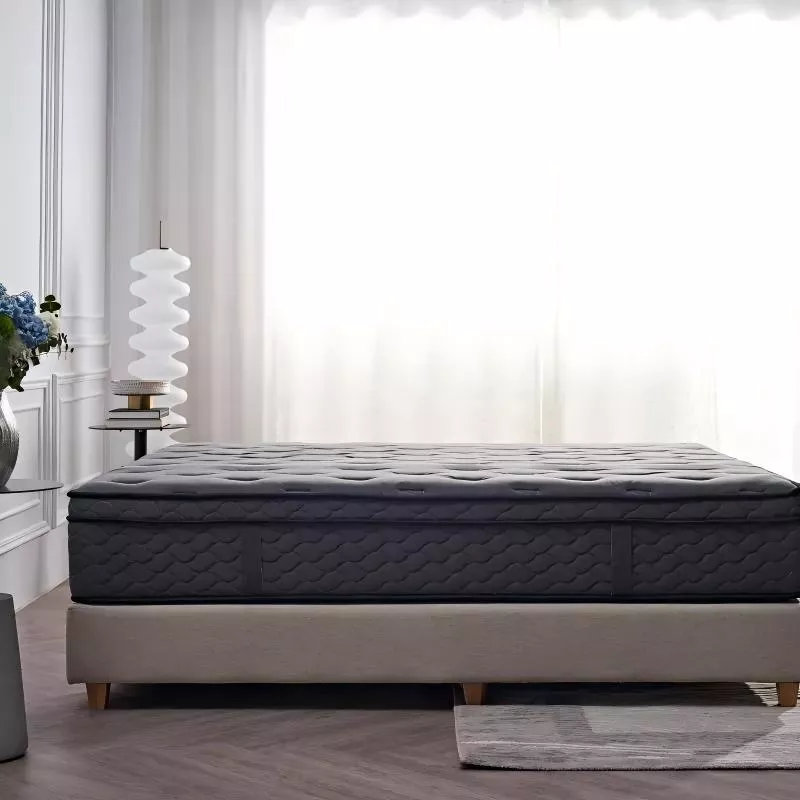
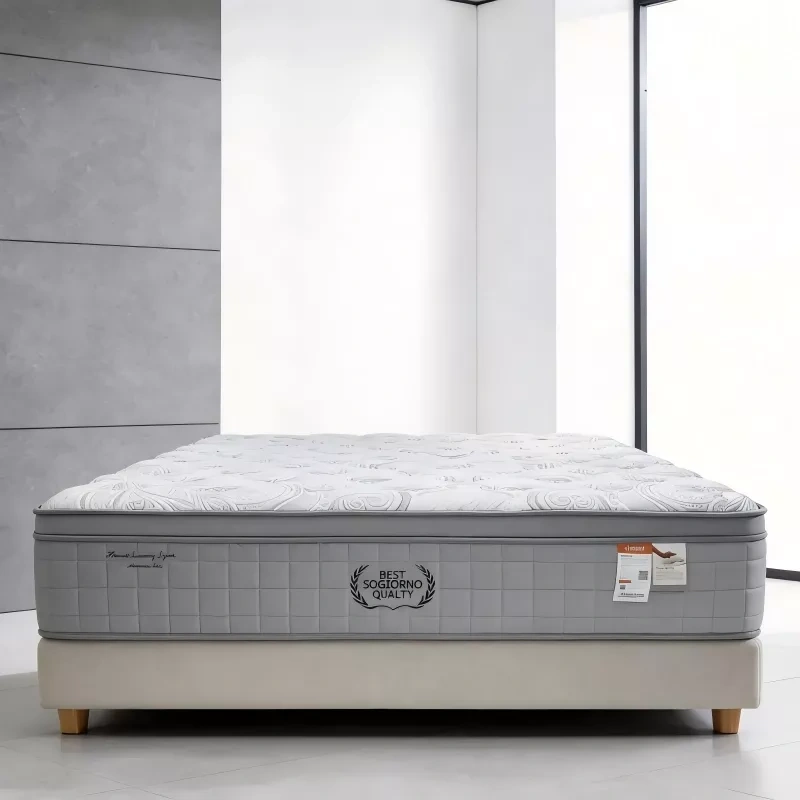
The "ticking" or fabric cover is the first thing the customer touches. Options range from standard knitted fabrics to premium Euro-top designs featuring organic cotton or bamboo fibers. A professional manufacturer ensures that every layer, from the quilted foam to the edge support system, is engineered to meet your specific comfort standards.
3. The Production Process: Quilting, Assembly, and Tape Edging
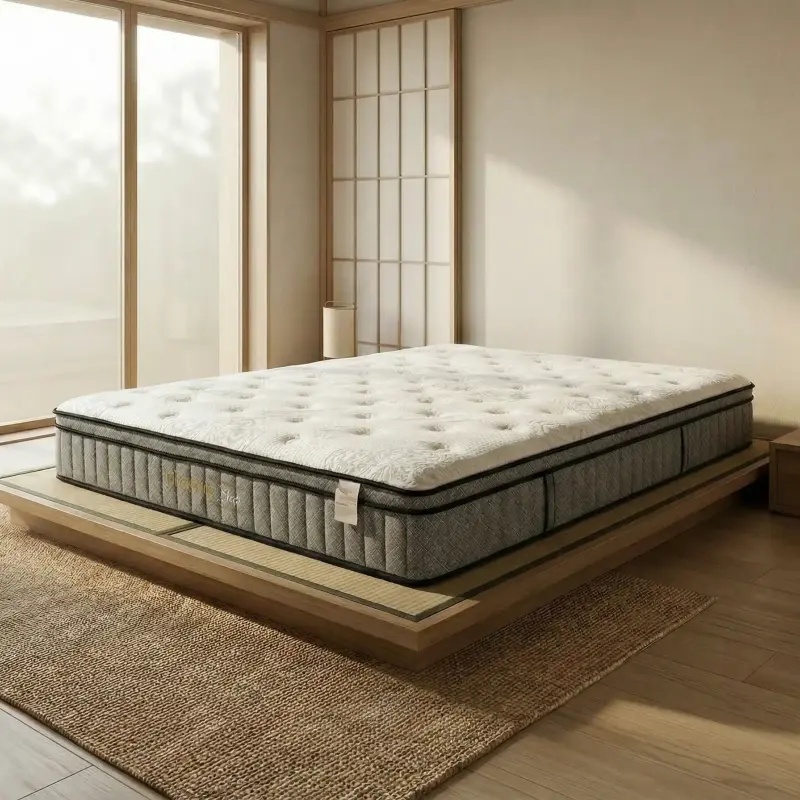
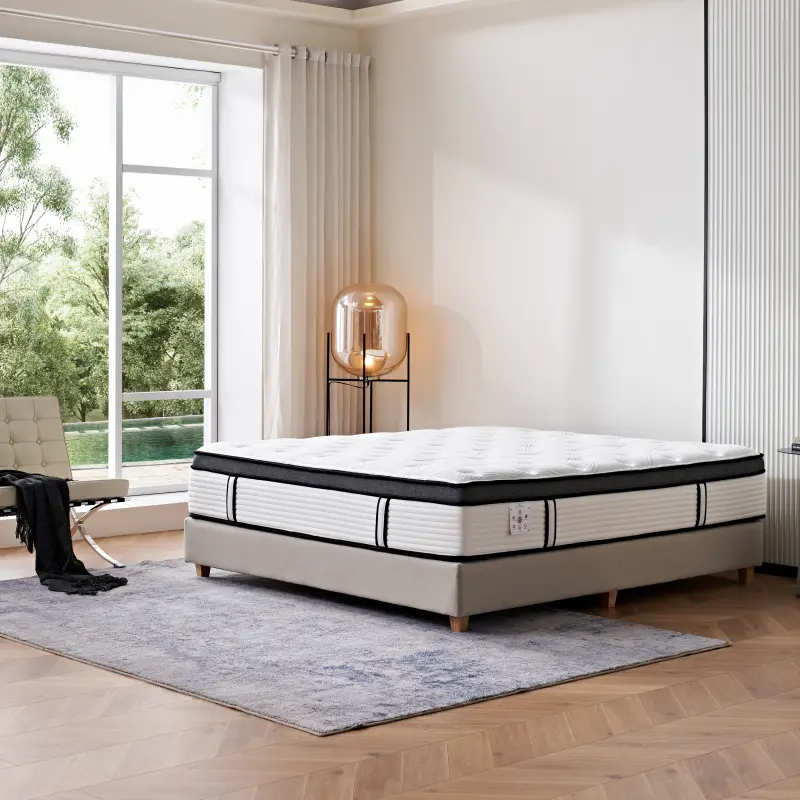
Once the design is finalized, the pocket spring mattress mattress enters the production line. The process begins with the quilting machine, which stitches the top fabric layer to the comfort foam and backing cloth. This step is crucial for the aesthetic appeal and surface comfort of the mattress. Precision here prevents fabric shifting and ensures a smooth, luxurious feel.
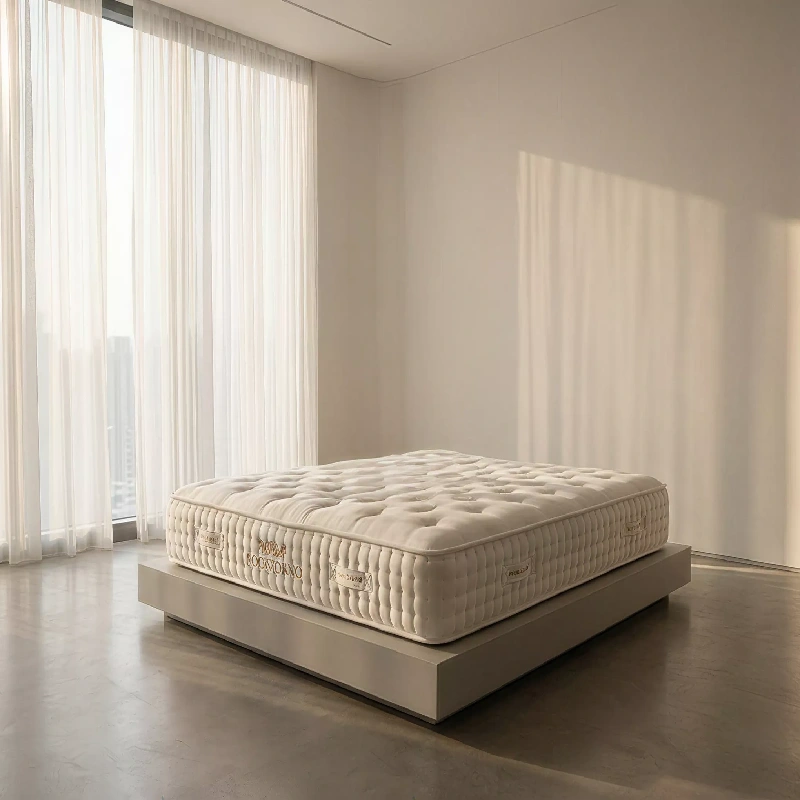
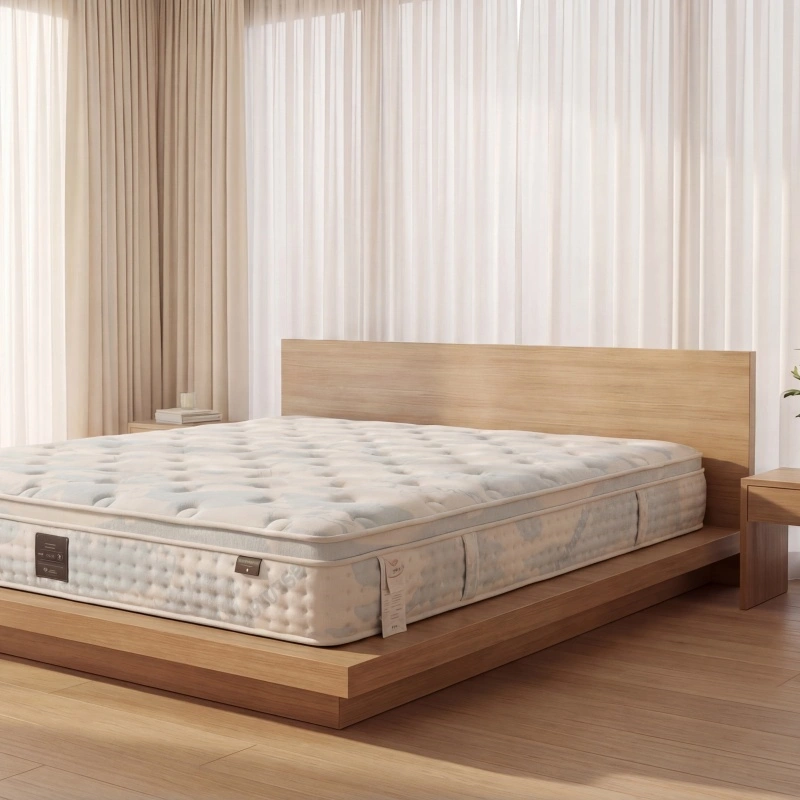
Next is the assembly of the core. In a pocket spring mattress, individual coils are glued or nested together to form the support unit. This unit is then sandwiched between the foam layers. The final major assembly step is tape edging. This involves sewing a heavy-duty tape around the perimeter of the mattress to hold the top, bottom, and sides together.
High-quality manufacturing uses reinforced handles and ventilation eyelets during this stage. The tape edging must be tight and uniform; loose edging is a sign of poor craftsmanship that leads to sagging edges over time. Your factory partner should have strict quality control (QC) checkpoints at this stage to ensure structural integrity.

4. Quality Control and Safety Standards
For B2B importers, compliance is non-negotiable. A reliable mattress factory must adhere to international safety standards. This includes fire retardancy regulations, such as the UK BS7177, US CF R 1633, or EU EN 597 standards.
Physical testing is equally important. Factories utilize rolling testers to simulate years of usage, ensuring the memory foam mattress does not sag or lose its shape prematurely. Compression tests verify that the foam layers return to their original state after pressure is removed.
Before a mattress is approved for packing, it undergoes a final visual inspection. Workers check for stains, stitching errors, or height discrepancies. For B2B clients, requesting a pre-shipment inspection report or a third-party audit (like SGS or Intertek) provides peace of mind that the goods match the approved sample.
5. Packaging Solutions: Roll-Pack vs. Flat Pack
How a mattress is packed directly affects your logistics costs. Modern manufacturing offers versatile packaging solutions tailored to the needs of distributors and retailers.
Roll-Pack (Bed-in-a-Box): This is the preferred method for e-commerce brands and memory foam mattress lines. The mattress is compressed, rolled tightly, and sealed in plastic. This significantly reduces the volume, allowing you to fit more units into a 40HQ container, thereby slashing shipping costs per unit.
Flat Pack: Traditional spring mattresses or luxury hotel mattresses that cannot be compressed are flat-packed. They are wrapped in protective plastic and often reinforced with corner guards and cardboard. While this takes up more space, it ensures the product arrives in its pristine, intended shape, ready for immediate display in a showroom or hotel room.
6. Container Loading and Logistics Optimization
The final step in the manufacturing journey is loading. A professional factory understands that space is money. Loading a mattress container requires a Tetris-like strategy to maximize volume without damaging the goods.
For flat-pack orders, loaders must stack the mattress piles securely to prevent toppling during ocean transit. For roll-packed orders, cartons are stacked to the very top of the container. The factory should provide a detailed loading plan and photos of the loading process (empty container, half-loaded, full, and doors closed) as part of the shipping documentation.
Proper dunnage bags (inflatable bags) are often used to fill voids between pallets or stacks, preventing movement inside the container. This attention to detail ensures that when the shipment arrives at your warehouse, the mattress inventory is ready for immediate distribution.
7. Conclusion: Partnering for Success
Sourcing a mattress involves technical expertise, rigorous quality control, and logistical precision. By understanding the journey from raw material selection to container loading, B2B buyers can make informed decisions that protect their brand reputation.
 Mattress Import to EU/USA: Customs, Duties & Documentation
 You May Also Like











 Tel
Tel
 Email
Email
 Address
NO.9 industry rd, Gegao, Longjiang, Shunde, Foshan,China