

 Inquire (
 HOME
HOMEMemory Foam Mattress Buying & Care Guide 2026: Choose the Best Memory Foam Mattress
 Apr 10,2026

 Cloud Point
Memory foam mattresses have become a popular Choice for sleepers
Memory foam mattreses have become a popular choice for sleepers around the world, thanks to their ability to conform to your body shape, provide personalized support, and reduce pressure points. Whether you’re looking for a memory foam mattress for back pain, joint pain, or just a comfortable night’s sleep, this 2026 guide will help you choose the best memory foam mattress and provide you with expert tips on how to care for it.
First, let’s talk about the key factors to consider when buying a memory foam mattress. The first factor is density. Memory foam density is measured in pounds per cubic foot (PCF). The density of a memory foam mattress affects its durability, support, and comfort. Low-density memory foam (2-3 PCF) is soft and affordable, but it may not be as durable as high-density memory foam. Medium-density memory foam (3-4 PCF) is the most popular, offering a balance of comfort and durability. High-density memory foam (4+ PCF) is firm and durable, providing excellent support and pressure relief, but it is also more expensive.
The second factor is thickness. Memory foam mattresses typically range in thickness from 6 inches to 14 inches. Thicker mattresses generally offer more support and comfort, but they are also heavier and more expensive. If you’re looking for a temporary solution or a mattress for a guest room, a thinner memory foam mattress (6-8 inches) may be sufficient. If you’re looking for a permanent mattress for your master bedroom, a thicker memory foam mattress (10-14 inches) is a better choice. Additionally, consider the layer structure of the mattress. Many memory foam mattresses have a support layer (usually high-density foam) and a comfort layer (usually medium-density memory foam), which provides a balance of support and comfort.
The third factor is firmness. Memory foam mattresses come in soft, medium, firm, and extra-firm options. The firmness level you choose depends on your sleep position and personal preferences. Side sleepers typically need a softer mattress (3-4 on the firmness scale) that conforms to their hips and shoulders. Back sleepers need a medium mattress (5-6) that supports their lower back. Stomach sleepers need a firm mattress (7-8) that keeps their spine aligned. It’s important to test the firmness of the pocket spring mattress before purchasing to ensure it’s comfortable for you.
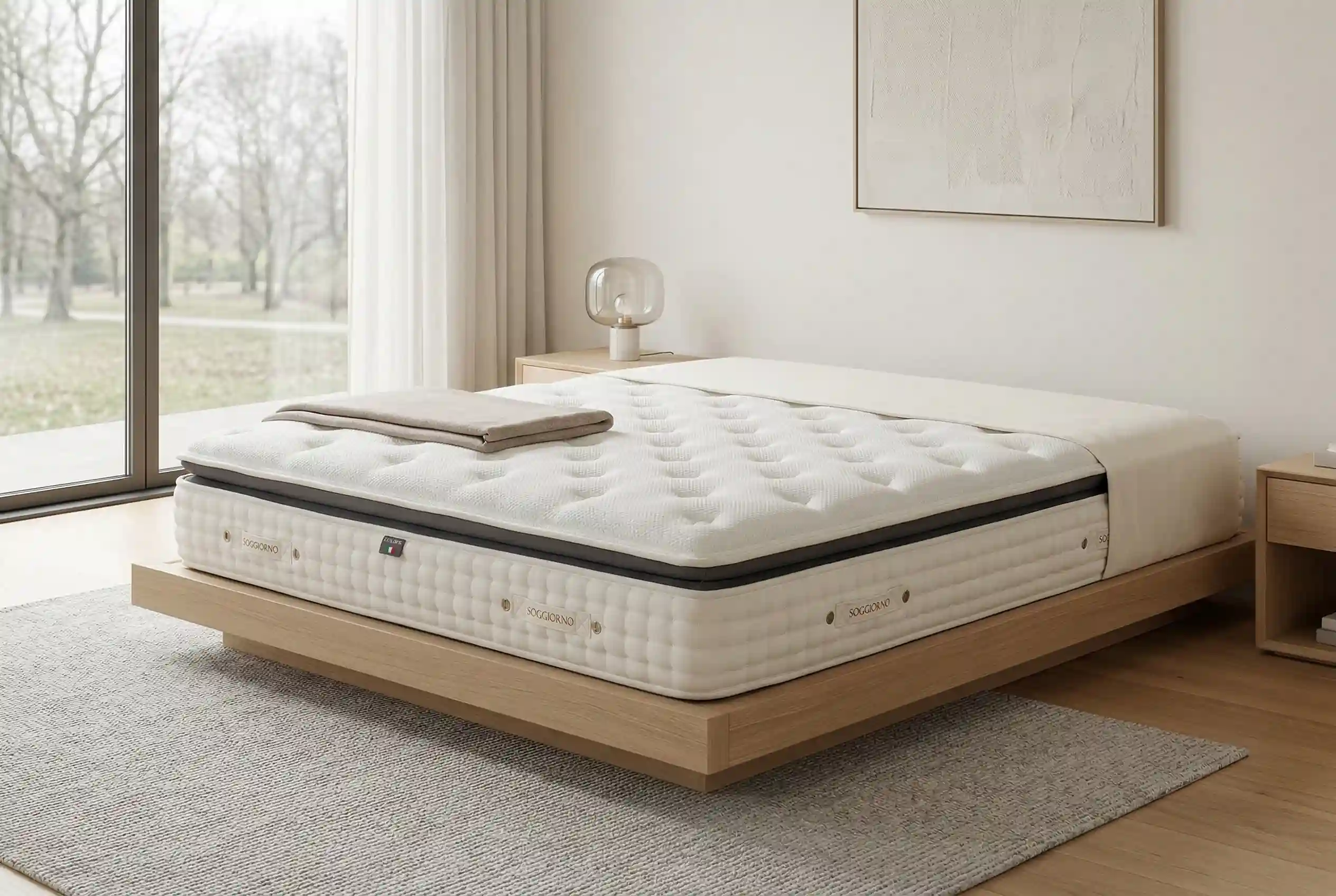
The fourth factor is cooling technology. Traditional memory foam mattresses are known for trapping body heat, which can make you feel hot and uncomfortable during the night. However, modern memory foam mattresses have been improved with cooling technologies, such as gel infusions, open-cell structures, and breathable covers. These technologies help dissipate heat and keep you cool during the night. If you’re a hot sleeper, look for a memory foam mattress with cooling technology.
The fifth factor is certification. Look for a memory foam mattress that is certified by organizations like CertiPUR-US, which ensures that the mattress is free from harmful chemicals, such as formaldehyde, heavy metals, and phthalates. This is important for your health and safety.
Now, let’s talk about how to care for your memory foam mattress. Proper care is essential for maintaining the quality and durability of your memory foam mattress. Here are some expert tips:
1. Use a mattress protector: A mattress protector will keep your memory foam mattress clean and free from stains, dust, and dirt. Look for a mattress protector that is made from breathable, hypoallergenic materials, such as cotton or bamboo. Avoid using plastic mattress protectors, as they can trap moisture and cause mold and mildew.
2. Rotate your mattress: Rotate your memory foam mattress every 3 to 6 months to ensure even wear. This will help prevent indentations and keep the mattress in good shape. Unlike traditional innerspring mattresses, memory foam mattresses do not need to be flipped, as they have a consistent comfort layer on both sides.
3. Keep your mattress clean: Vacuum your memory foam mattress regularly to remove dust and dirt. If you spill something on the mattress, spot clean it immediately with a mild detergent and water. Avoid using harsh chemicals, as they can damage the memory foam material. Allow the mattress to dry completely before using it again.
4. Avoid direct sunlight: Direct sunlight can damage the memory foam material, causing it to break down and discolor. Keep your memory foam mattress away from windows and direct sunlight. If you need to air out the mattress, do so in a cool, shaded area.
5. Keep your mattress in a cool, dry place: Memory foam mattresses should be stored and used in a cool, dry place, away from moisture. High humidity can cause mold and mildew to grow on the mattress, which can damage the material and affect your health. Avoid placing the mattress in a basement, attic, or garage, as these areas are often prone to humidity.
6. Avoid jumping on the mattress: Jumping on the foam mattress can damage the memory foam material, causing it to lose its shape and support. This can shorten the lifespan of the mattress.
7. Allow the mattress to air out: When you first unbox your memory foam mattress, it may have a strong odor. This is normal and usually fades within a few days. To speed up the process, open the windows and allow the mattress to air out for 24 to 48 hours before using it.
In conclusion, a memory foam mattress is a great choice for anyone looking for a comfortable, supportive, and pressure-relieving mattress. By considering factors like density, thickness, firmness, cooling technology, and certification, you can choose the best memory foam mattress for your needs. With proper care, your memory foam mattress can last for 7 to 10 years, providing you with a restful night’s sleep for years to come.
 Hybrid Mattress Guide 2026: Memory Foam, Latex & Pocket Spring Hybrid Mattresses


 You May Also Like











 Tel
Tel
 Email
Email
 Address
NO.9 industry rd, Gegao, Longjiang, Shunde, Foshan,China