

 Inquire (

 HOME
Memory Foam, Pocket Spring, or Hybrid: Which Mattress Type Fits Your B2B Market?
 Oct 26,2026

 Cloud Point
1. Choosing the Right Mattress Type for B2B Sourcing
For B2B buyers, selecting the right mattress type is a commercial decision as much as a comfort decision. Memory foam, pocket spring, and hybrid mattress models each bring different advantages to distributors, hotel operators, retailers, and private-label brands. The best choice depends on target customers, logistics requirements, durability expectations, and brand positioning.
A factory that understands B2B sourcing can help buyers match mattress construction with market demand. Instead of treating all products the same, buyers should evaluate how each mattress type performs in real commercial use, from shipping and installation to guest experience and after-sales risk.
2. Memory Foam Mattress: Modern Comfort and Shipping Efficiency
Memory foam mattress models are widely chosen for their pressure relief and motion isolation. They conform to the body and reduce disturbance between sleep partners, which makes them popular in modern retail and hospitality environments.
For B2B buyers, memory foam mattress products offer strong logistics advantages. Many models can be compressed and roll-packed, improving container loading efficiency and reducing freight cost per unit. This makes them especially suitable for e-commerce brands, urban apartments, student housing, and mid-range hotel projects.
Key considerations include:
Foam density and firmness level
Heat retention and breathability
Recovery time after unpacking
Edge support for daily use
Durability under frequent occupancy
Memory foam mattress models work well when buyers want modern comfort, compact packaging, and efficient distribution. However, low-density foam may compress faster in heavy-use environments, so material specification should be confirmed before bulk orders.
3. Pocket Spring Mattress: Reliable Support and Broad Market Acceptance
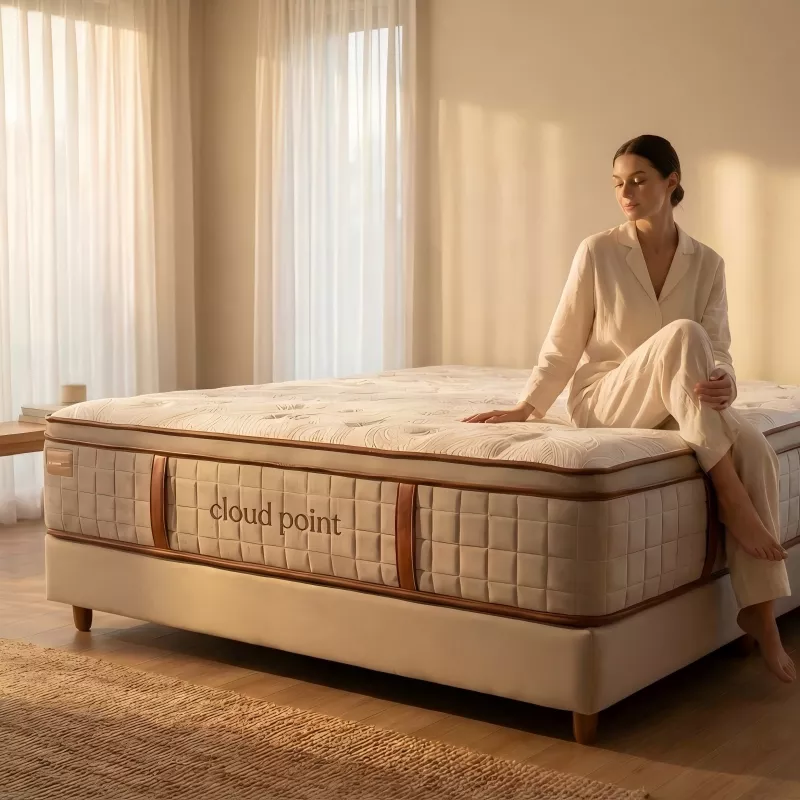
Pocket spring mattress models use individually wrapped coils that respond independently to body weight. This structure provides targeted support, reduced motion transfer, and strong edge stability. Many consumers still associate spring systems with durability and traditional hotel comfort.
For B2B buyers, pocket spring mattress products are often a safe choice for mainstream markets. They are widely accepted in hospitality, mid-range retail, and regions where foam-only products have lower consumer acceptance.
Advantages for commercial buyers include:
Consistent support across different sleep positions
Better airflow compared with many all-foam designs
Strong edge support for sitting and sleeping
Familiar feel for traditional hotel guests
Reliable performance in high-occupancy rooms
The main trade-off is that pocket spring mattress models are usually heavier and cannot be compressed as tightly as foam models. This may increase shipping volume and handling requirements, especially for large hotel or distribution orders.
4. Hybrid Mattress: Premium Positioning and Differentiated Comfort
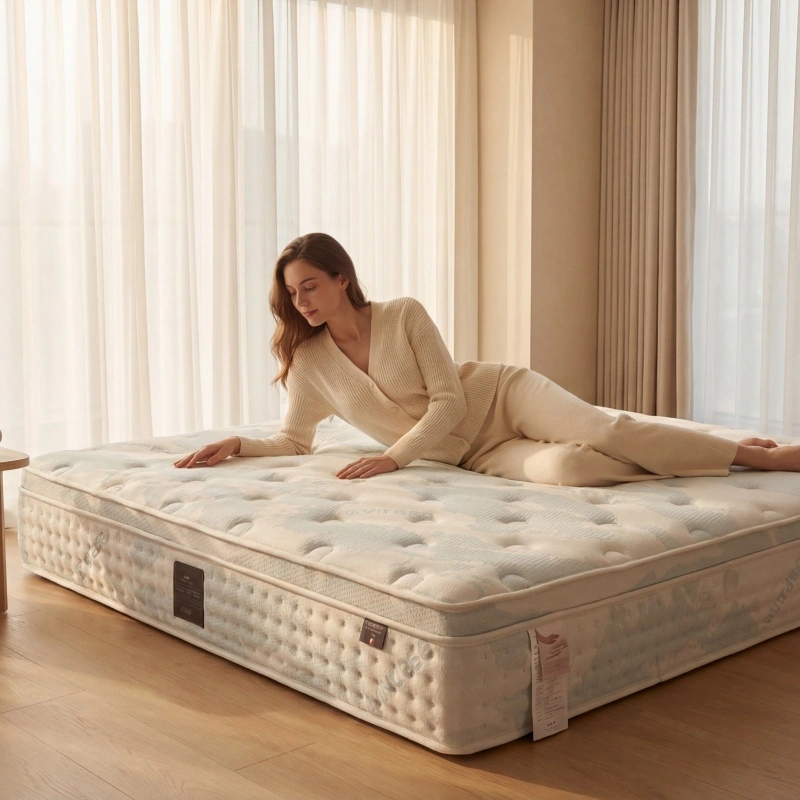
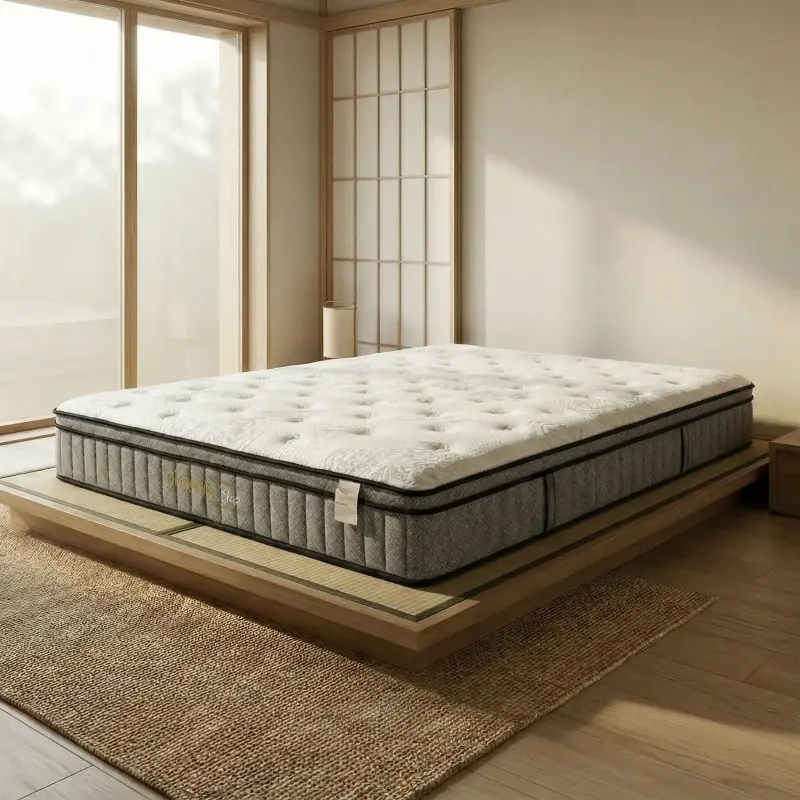
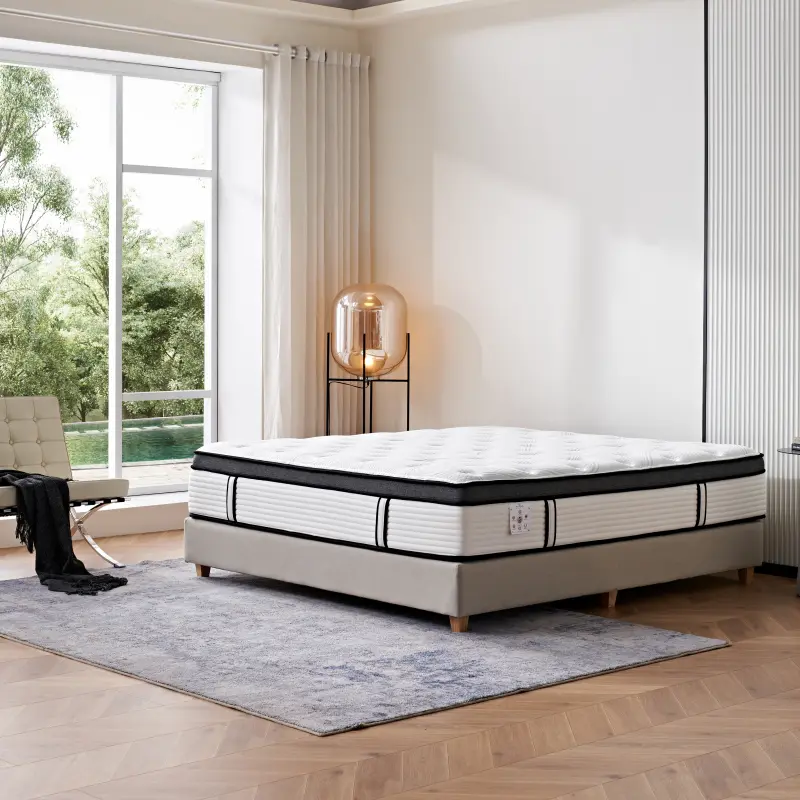
Hybrid mattress models combine pocket springs with foam, memory foam, latex, or other comfort layers. They aim to deliver the support of a spring system together with the pressure relief of modern foam materials. For B2B buyers, hybrid mattress products are often positioned as premium or flagship models.
Hybrid designs are suitable for:
Private-label brands seeking differentiation
Upscale hotels and serviced apartments
Retailers competing on comfort technology
Markets where consumers expect both support and plush feel
Hybrid mattress models usually carry a higher unit cost and require careful packaging planning. However, they can support higher retail pricing and strengthen brand perception when the comfort layers and spring system are well balanced.
5. Matching Mattress Type to Sales Channel and Project Needs
The right mattress choice depends on how the product will be sold and used. Memory foam suits compact shipping and modern comfort positioning. Pocket spring suits traditional support expectations and hospitality durability. Hybrid suits premium branding and differentiated retail offerings.
B2B buyers should also consider:
Target price point and margin structure
Shipping method and container loading efficiency
Local consumer preferences for firmness
Fire safety and compliance requirements
Warranty expectations and replacement cost
Sample approval before mass production
For many buyers, the strongest strategy is a tiered mattress portfolio. An entry-level model can serve budget-sensitive projects, a core model can support volume sales, and a premium hybrid model can enhance brand value. This approach allows distributors, hotels, and retailers to serve different customer segments without sacrificing consistency.
6. Conclusion: Build a Mattress Strategy Around Market Fit
Memory foam, pocket spring, and hybrid mattress types each have clear roles in B2B sourcing. Memory foam offers efficient shipping and modern comfort. Pocket spring delivers reliable support and broad acceptance. Hybrid provides premium positioning and differentiated sleep performance.
For B2B buyers, the best mattress decision comes from aligning product type with sales channel, logistics requirements, compliance standards, and long-term brand goals. Working with an experienced mattress factory during the sample and specification stage helps ensure the final product fits both the market and the commercial strategy.
 Memory Foam, Pocket Spring, or Hybrid: Which Mattress Type Fits Your B2B Market
 You May Also Like





 Tel
 Email
 Address
NO.9 industry rd, Gegao, Longjiang, Shunde, Foshan,China