

 Inquire (
 HOME
HOMEBest Mattress for Side Sleepers 2026: How to Choose the Perfect One for Shoulder & Hip Relief
 Apr 10,2026

 Cloud Point
Side sleeping is one of the most common sleep positions
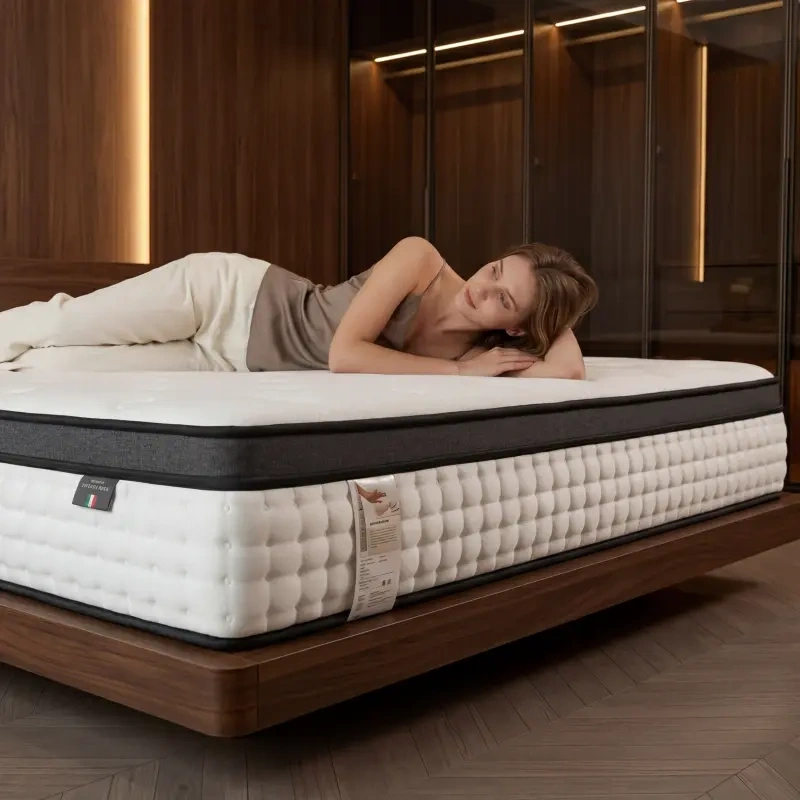
with over 75% of people preferring to sleep on their side, according to recent surveys. While side sleeping is great for spinal alignment and reducing snoring, it can also lead to shoulder and hip pain if you’re not sleeping on the right mattress. Side sleepers need a mattress that provides enough cushioning to support their shoulders and hips, while still offering firm enough support to keep their spine aligned. If the mattress is too soft, your shoulders and hips will sink too far, causing your spine to curve and leading to pain. If the mattress is too firm, it will put pressure on your shoulders and hips, leading to discomfort and restless sleep. In this 2026 guide, we’ll help you choose the best mattress for side sleepers, including the key features to look for, the best mattress types, and our top picks for side sleepers of all budgets.
First, let’s understand why side sleepers need a specific type of mattress. When you sleep on your side, your body weight is concentrated on your shoulders and hips, which are the two main pressure points. A good mattress for side sleepers should contour to these pressure points, distributing weight evenly and reducing strain on the body. This helps to keep your spine in a neutral position, which is essential for preventing back, shoulder, and hip pain. Additionally, side sleepers often need a mattress that reduces motion transfer, especially if they share a bed with a partner, as movement can disrupt their sleep.
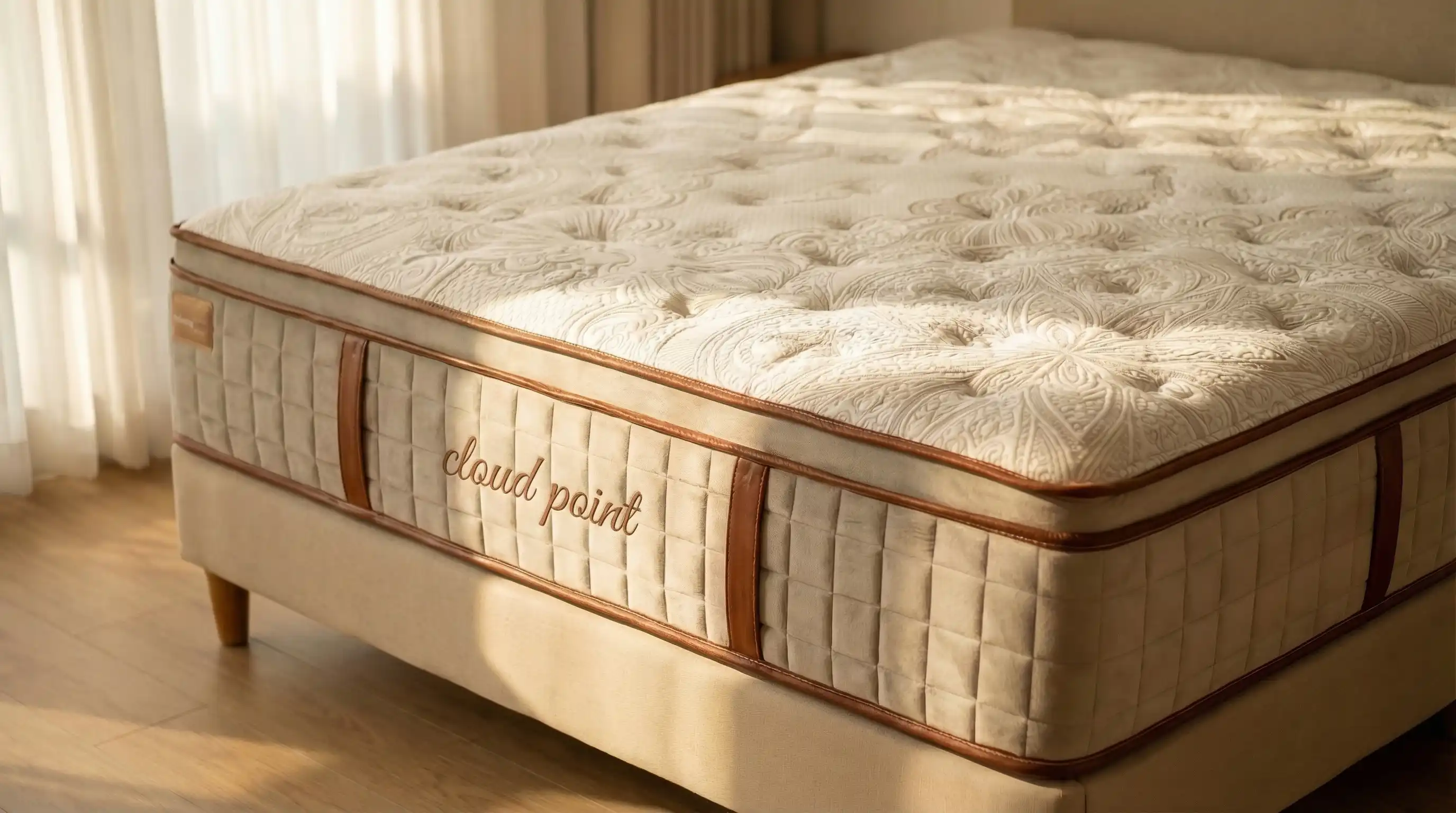
The key features to look for in a mattress for side sleepers are firmness level, contouring ability, pressure relief, motion transfer reduction, and breathability. Let’s break down each feature in detail.
Firmness level is the most important feature for side sleepers. As mentioned earlier, side sleepers need a mattress that is soft enough to cushion their shoulders and hips, but firm enough to support their spine. The ideal firmness level for side sleepers is medium-soft to medium (3-6 on the 1-10 firmness scale). A medium-soft mattress (3-4) will provide more cushioning for pressure points, making it ideal for side sleepers with shoulder or hip pain. A medium mattress (5-6) will provide a balance of cushioning and support, making it suitable for side sleepers who prefer a slightly firmer feel. Avoid mattresses that are too firm (7-10) or too soft (1-2), as they can cause pain and discomfort.
Contouring ability is another crucial feature for side sleepers. A mattress that contours to your body shape will distribute weight evenly, reducing pressure points on your shoulders and hips. Memory foam and latex are the best materials for contouring, as they conform to your body’s curves. Memory foam is especially good for contouring, as it molds to your body and retains its shape, providing personalized support. Latex is also great for contouring, but it’s more responsive than memory foam, meaning it bounces back quickly when you move. This makes latex a good choice for side sleepers who move around a lot during the night.
Pressure relief is closely related to contouring ability.
A mattress that provides good pressure relief will reduce strain on your shoulders, hips, and back, preventing pain and discomfort. Memory foam and latex are both excellent at pressure relief, as they conform to your body and distribute weight evenly. Look for a mattress with a top layer of memory foam or latex that is at least 2-3 inches thick, as this will provide enough cushioning for pressure points.
Motion transfer reduction is important for side sleepers who share a bed with a partner. If your partner moves or gets up in the middle of the night, you don’t want to be disturbed. Memory foam and latex are both good at reducing motion transfer, as they absorb movement. Independent innerspring mattresses are also good at reducing motion transfer, as the coils move independently. Hybrid mattresses (which combine memory foam/latex with independent innersprings) are an excellent choice for side sleepers who want both contouring and motion transfer reduction.
Breathability is another important feature, especially for side sleepers who tend to sleep hot. Memory foam is known for retaining heat, so if you’re a hot sleeper, look for a memory foam mattress with gel infusions or breathable fabrics, which help to draw heat away from the body. Latex is naturally breathable, making it a great choice for hot sleepers. Hybrid mattresses also tend to be more breathable than all-foam mattresses, as the independent innersprings allow for airflow.
Now, let’s take a look at the best mattress types for side sleepers. The top three types are memory foam mattresses, latex mattresses, and hybrid mattresses.
Memory foam mattresses are a top choice for side sleepers because of their excellent contouring and pressure relief. A high-quality memory foam mattress will conform to your body shape, reducing pressure points on your shoulders and hips, and keeping your spine aligned. Look for a memory foam mattress with a density of at least 3.5 lbs, as this will ensure it retains its shape and doesn’t sag over time. Many memory foam mattresses also feature gel infusions or breathable covers to prevent overheating.
latex mattresses are another great option for side sleepers. Latex is naturally breathable, responsive, and hypoallergenic, making it ideal for hot sleepers and people with allergies. Latex mattresses provide excellent contouring and pressure relief, and they bounce back quickly when you move, making them a good choice for side sleepers who move around a lot. Natural latex is more durable than synthetic latex, so look for a mattress made with natural latex if possible.
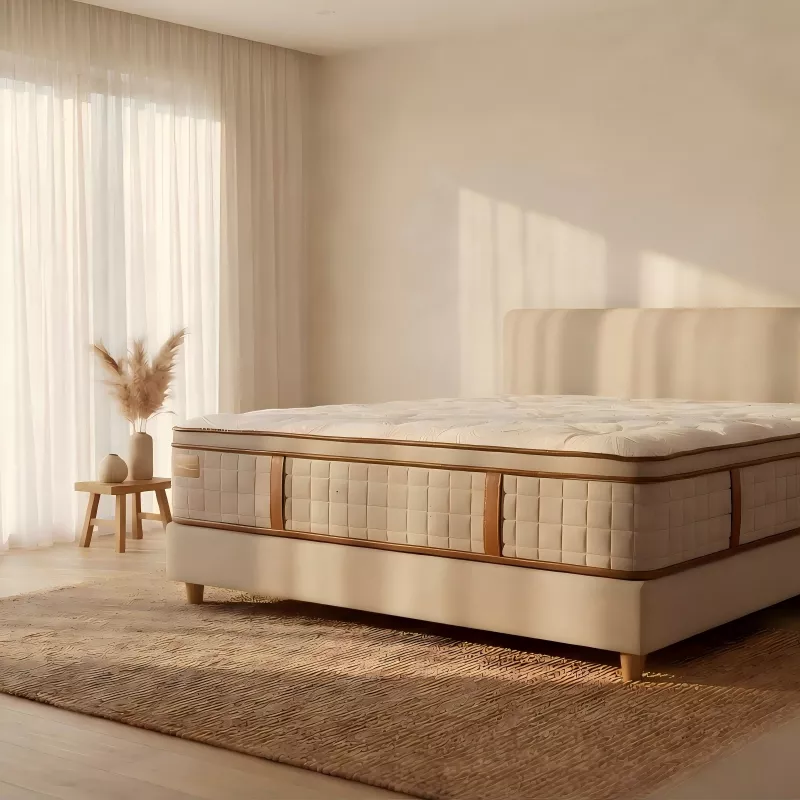
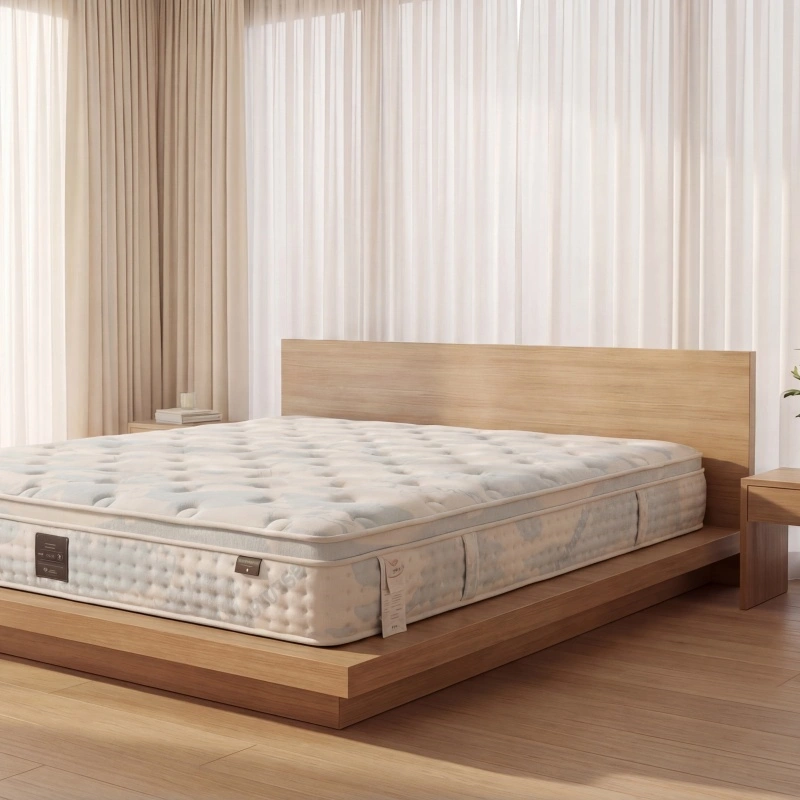
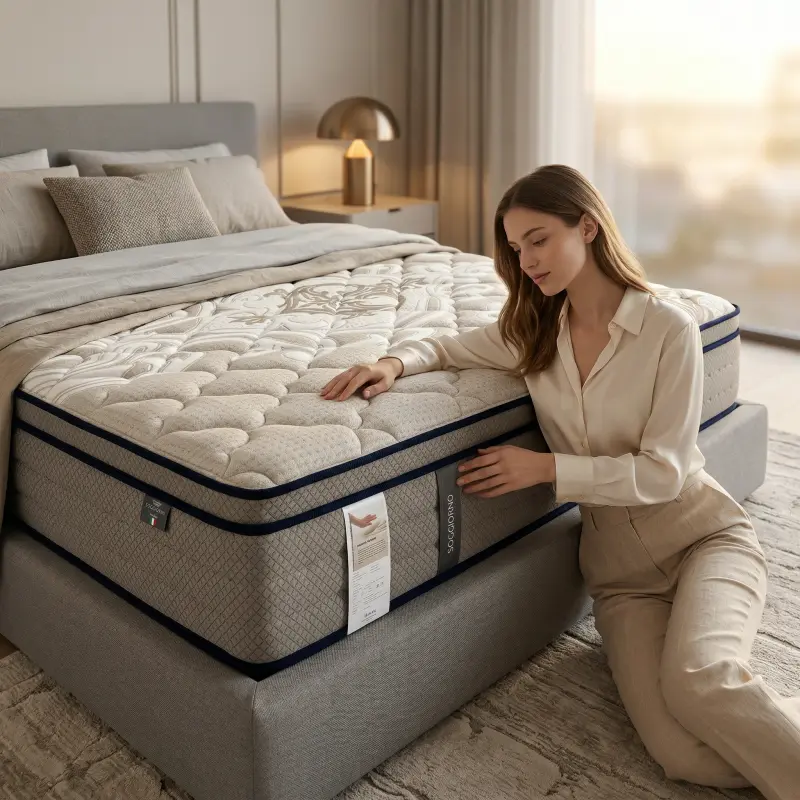
Hybrid mattresses combine the best of memory foam/latex and independent innersprings, making them an excellent choice for side sleepers. The top layer of memory foam or latex provides contouring and pressure relief, while the independent innersprings provide support and reduce motion transfer. Hybrid mattresses are also more breathable than all-foam mattresses, making them a good choice for hot sleepers. Look for a hybrid mattress with a thick top layer (2-3 inches) of memory foam or latex, and high-gauge independent innersprings for support.
Now, let’s take a look at our top picks for the best mattress for side sleepers in 2026. Our top pick is the Cloud-Like Memory Foam Mattress by SleepEasy. This mattress features a 3-inch top layer of gel-infused memory foam, a 2-inch middle layer of high-density memory foam, and a 5-inch bottom layer of support foam. It’s medium-soft (4 on the firmness scale), making it perfect for side sleepers who need cushioning for their shoulders and hips. The gel-infused memory foam helps to regulate temperature, while the high-density memory foam provides support. This mattress also comes with a 10-year warranty and a 100-night sleep trial.
Our second pick is the Natural Latex Mattress by EcoSleep. This mattress is made with 100% natural latex, which is breathable, hypoallergenic, and durable. It’s medium (5 on the firmness scale), making it suitable for side sleepers who prefer a slightly firmer feel. The natural latex provides excellent contouring and pressure relief, and it bounces back quickly when you move. This mattress also comes with a 15-year warranty and a 120-night sleep trial.
Our third pick is the Hybrid Memory Foam Latex Mattress by ComfortPlus. This hybrid mattress features a 2-inch top layer of memory foam, a 2-inch middle layer of natural latex, and an 8-inch bottom layer of independent innersprings. It’s medium-soft to medium (4-5 on the firmness scale), making it suitable for most side sleepers. The memory foam provides contouring, the latex provides responsiveness and breathability, and the independent innersprings provide support and reduce motion transfer. This mattress comes with a 10-year warranty and a 90-night sleep trial.
In addition to choosing the right mattress, there are a few other tips to help side sleepers get a better night’s sleep. First, use a supportive pillow that keeps your neck aligned with your spine. A pillow that is too high or too low can cause neck pain. Second, place a pillow between your knees to reduce pressure on your hips and lower back. This helps to keep your spine in a neutral position. Third, rotate your mattress every 3-6 months to ensure even wear. Finally, keep your bedroom cool and well-ventilated to prevent overheating.
In conclusion, choosing the right mattress is essential for side sleepers who want to avoid shoulder and hip pain and get a restful night’s sleep. By focusing on firmness level, contouring ability, pressure relief, motion transfer reduction, and breathability, you can find the perfect mattress for your needs. Whether you choose a memory foam mattress, a latex mattress, or a hybrid mattress, make sure it’s medium-soft to medium and provides enough cushioning for your pressure points. Invest in a high-quality mattress today, and enjoy years of comfortable, pain-free sleep.
 Rolled Mattress vs Traditional Mattress: Which One Is Better for You in 2026?
 You May Also Like









 Tel
Tel
 Email
Email
 Address
NO.9 industry rd, Gegao, Longjiang, Shunde, Foshan,China