

 Inquire (
 HOME
HOMERolled Mattress vs Traditional Mattress: Which One Is Better for You in 2026?
 Apr 10,2026

 Cloud Point
Rolled Mattress vs Traditional Mattress
When it comes to buying a new mattress, one of the biggest decisions you’ll face is whether to choose a rolled mattress or a traditional mattress. Both types have their own unique benefits and drawbacks, and the right choice for you will depend on your personal needs, lifestyle, and preferences. Rolled mattresses, also known as compressed mattresses, are vacuum-sealed and rolled into a compact package, while traditional mattresses come in a fixed, bulky shape. In this 2026 comparison guide, we’ll break down the key differences between rolled mattresses and traditional mattresses, including their pros and cons, features, and which one is best for different types of sleepers and living situations.
First, let’s take a closer look at rolled mattresses. Rolled mattresses are manufactured using advanced compression technology. The mattress is assembled with high-quality materials—such as memory foam, latex, or independent springs—then vacuum-sealed to remove all air, and rolled tightly into a cylindrical shape. This process reduces the mattress’s size by up to 70%, making it easy to transport, store, and set up. Once unboxed, the mattress expands on its own within 4-24 hours to its full size, ready to use. Rolled mattresses are available in a variety of types, including rolled memory foam mattresses, rolled latex mattresses, rolled hybrid mattresses, and rolled innerspring mattresses.
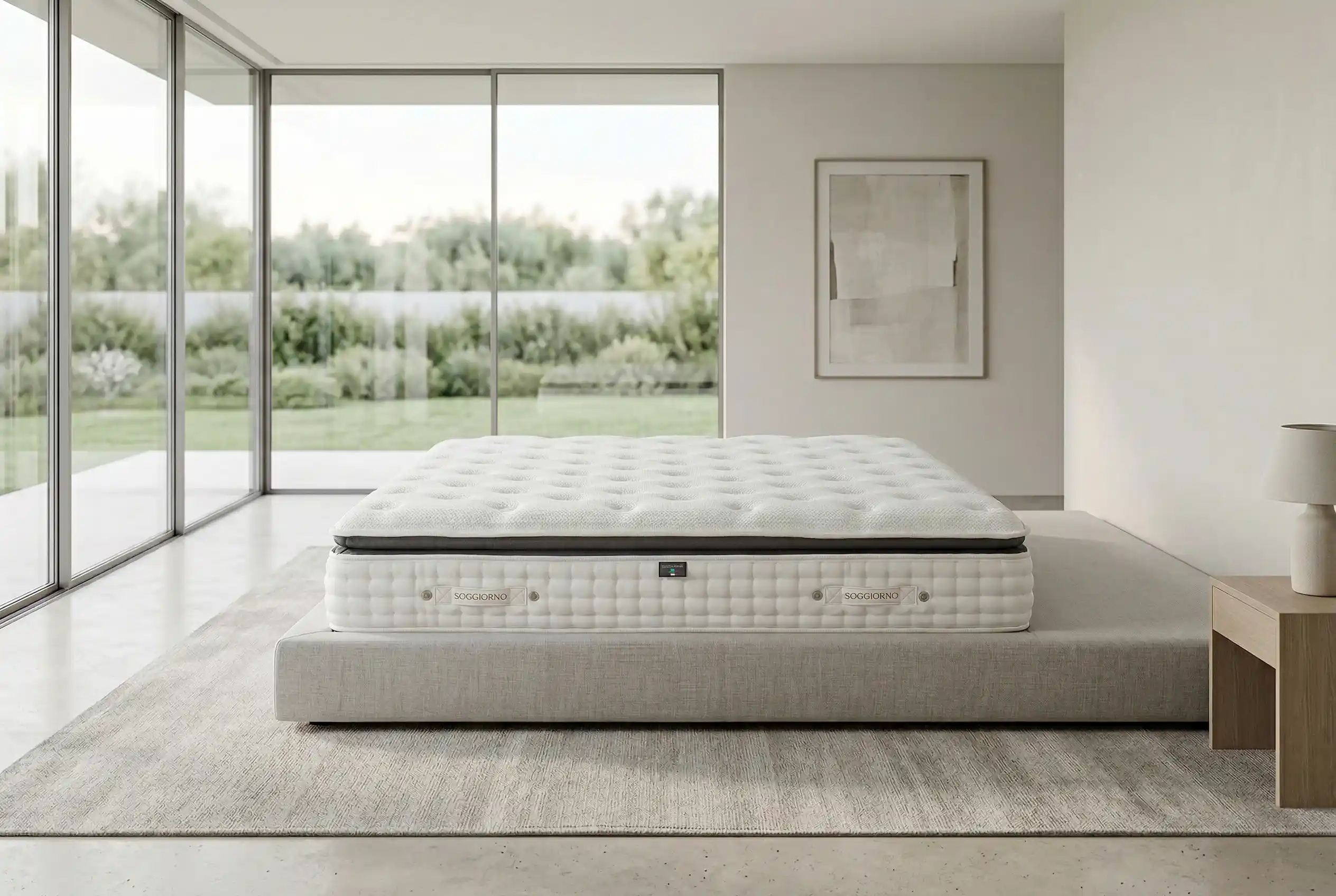
The pros of rolled mattresses are numerous.
One of the biggest advantages is their portability. Rolled mattresses are lightweight and compact, making them easy to carry up stairs, through narrow doorways, or into elevators. This is especially beneficial for people living in high-rise buildings, small apartments, or anyone who needs to move the mattress frequently (such as renters). Rolled mattresses are also easier and cheaper to ship, making them a popular choice for export markets. Another pro of rolled mattresses is their affordability. Because they are easier to manufacture and ship, rolled mattresses are often more budget-friendly than traditional mattresses of the same quality. Additionally, rolled mattresses are available in a wide range of materials and firmness levels, so you can find one that suits your sleep style.
The cons of rolled mattresses are relatively few. One potential drawback is that some rolled mattresses may take longer to expand to their full size (up to 24 hours), so you may have to wait before using them. Additionally, some people worry that the compression process may damage the mattress’s materials, but reputable brands use high-quality materials that can withstand compression without losing their shape or support. Another potential con is that rolled mattresses may not be as durable as traditional mattresses, but this depends on the quality of the materials. A high-quality rolled mattress made with high-density memory foam, natural latex, or high-gauge independent springs can be just as durable as a traditional mattress.
Now, let’s take a look at traditional mattresses. Traditional mattresses are the classic type of mattress, and they come in a fixed, bulky shape. They are typically made with innersprings, memory foam, latex, or a combination of these materials, and they are not compressed or rolled. Traditional mattresses are available in a wide range of sizes, from twin to California king, and they are often sold in mattress stores, where you can test them out before buying.
The pros of traditional mattresses are also significant. One of the biggest advantages is their durability. Traditional mattresses are often made with thicker layers of materials and sturdier construction, making them more resistant to sagging and wear. They also tend to have a longer lifespan than rolled mattresses, especially if they are made with high-quality materials. Another pro of traditional mattresses is that they are ready to use immediately—no waiting for them to expand. Additionally, traditional mattresses are available in a wider range of styles and designs, including pillow-top, Euro-top, and firm models, so you can find one that suits your preferences.
The cons of traditional mattresses are mainly related to their size and weight. Traditional mattresses are bulky and heavy, making them difficult to transport and set up. You may need professional help to move a traditional mattress, especially if you live in a high-rise building or have narrow staircases. Traditional mattresses are also more expensive to ship, which can increase their overall cost. Additionally, traditional mattresses take up more space during storage, which can be a problem if you have limited storage space.
Now, let’s compare rolled mattresses and traditional mattresses in terms of key features:
Portability: Rolled mattresses are far more portable than traditional mattresses. They are compact and lightweight, making them easy to transport and set up without professional help. Traditional mattresses are bulky and heavy, requiring professional movers in most cases.
Cost: Rolled mattresses are generally more affordable than traditional mattresses, due to lower manufacturing and shipping costs. Traditional mattresses are more expensive, especially if you need to pay for professional delivery and setup.
Durability: Both rolled mattresses and traditional mattresses can be durable, but it depends on the quality of the materials. A high-quality rolled mattress made with high-density memory foam or natural latex can last up to 10-15 years, while a traditional mattress made with the same materials can last up to 15-20 years.
Comfort: Both types of mattresses can provide excellent comfort, but it depends on the materials and firmness level. Rolled mattresses are available in the same materials as traditional mattresses (memory foam, latex, innersprings), so you can find a rolled mattress that is just as comfortable as a traditional mattress.
Setup Time: Rolled mattresses require 4-24 hours to expand to their full size, while traditional mattresses are ready to use immediately.
Storage: Rolled mattresses are easy to store, as they can be rolled back up (if needed) and stored in a closet or garage. Traditional mattresses are bulky and take up a lot of storage space.
Now, let’s determine which type of mattress is best for different types of people:
Renters: Rolled mattresses are the best choice for renters, as they are easy to move when you relocate. They are also more affordable, making them a good option for people who don’t want to invest in a expensive mattress for a temporary home.
Homeowners in high-rise buildings: Rolled mattresses are ideal for homeowners in high-rise buildings, as they are easy to carry up stairs or elevators. Traditional mattresses can be difficult to maneuver in tight spaces.
People who move frequently: Rolled mattresses are perfect for people who move frequently, as they are portable and easy to transport.
People who want a long-term investment: Traditional mattresses are a better choice for people who want a long-term investment, as they are often more durable and have a longer lifespan.
People who want immediate use: Traditional mattresses are better if you need a mattress right away, as they are ready to use immediately.
People with limited storage space: Rolled mattresses are better for people with limited storage space, as they are compact and easy to store.
In conclusion, both rolled mattresses and traditional mattresses have their own unique benefits and drawbacks. The right choice for you will depend on your personal needs, lifestyle, and preferences. If you value portability, affordability, and ease of setup, a rolled mattress is the best choice. If you value durability, immediate use, and a wider range of styles, a traditional mattress is the better option. No matter which type you choose, make sure to select a high-quality mattress made with premium materials, as this will ensure you get years of comfortable sleep.
 Best Cooling Mattress 2026: Top Picks for Hot Sleepers & Temperature Regulation
 You May Also Like







 Tel
Tel
 Email
Email
 Address
NO.9 industry rd, Gegao, Longjiang, Shunde, Foshan,China