

 Inquire (
 HOME
HOMEPost-Pandemic Hotel Mattress Demand: Comfort & Hygiene First
 Aug 26,2026

 Cloud Point
1. Why Post-Pandemic Hotel Mattress Demand Is Changing
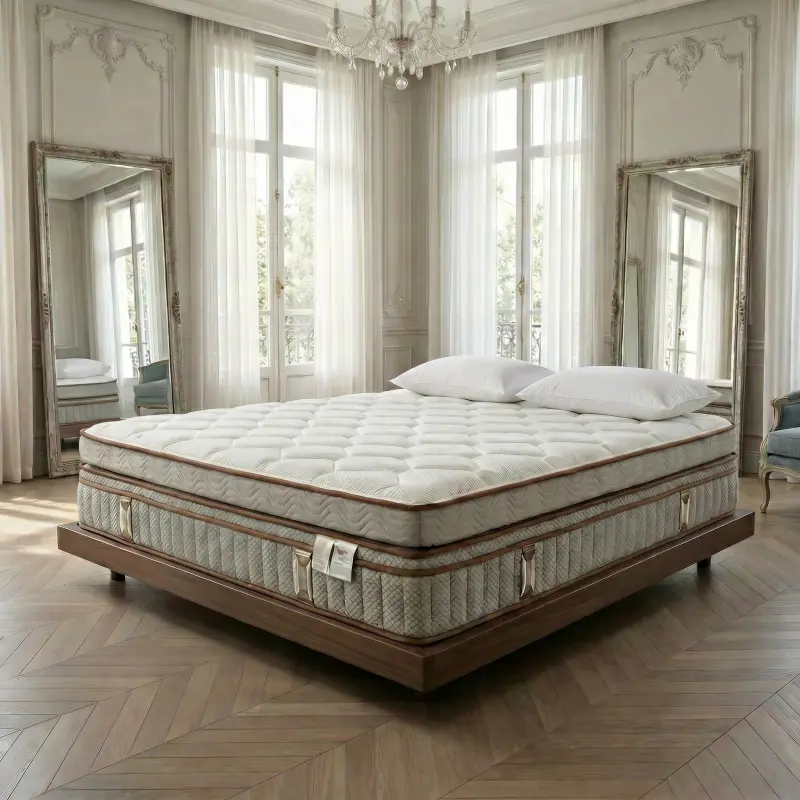
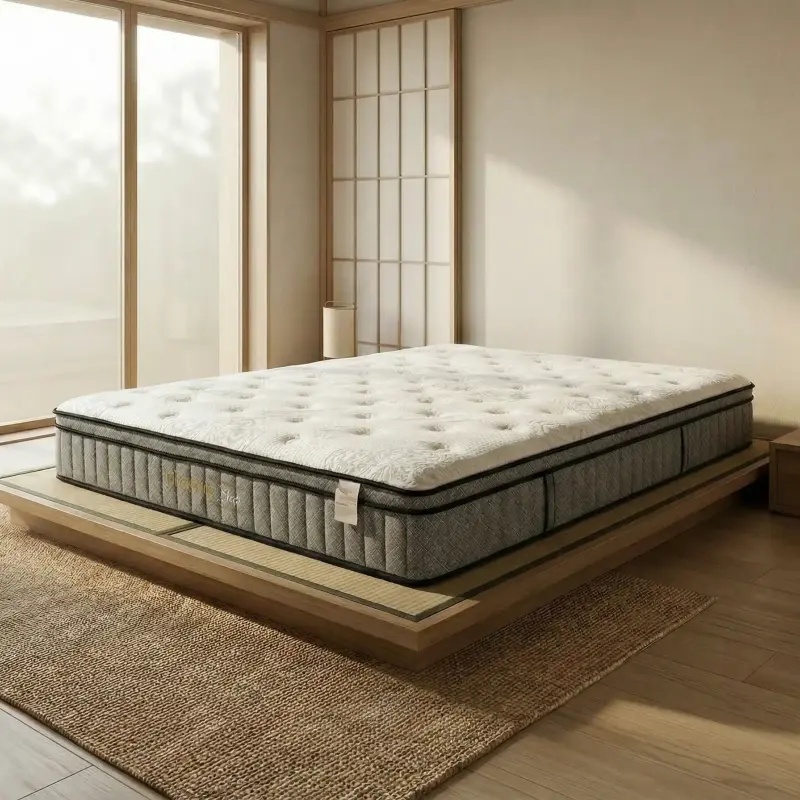
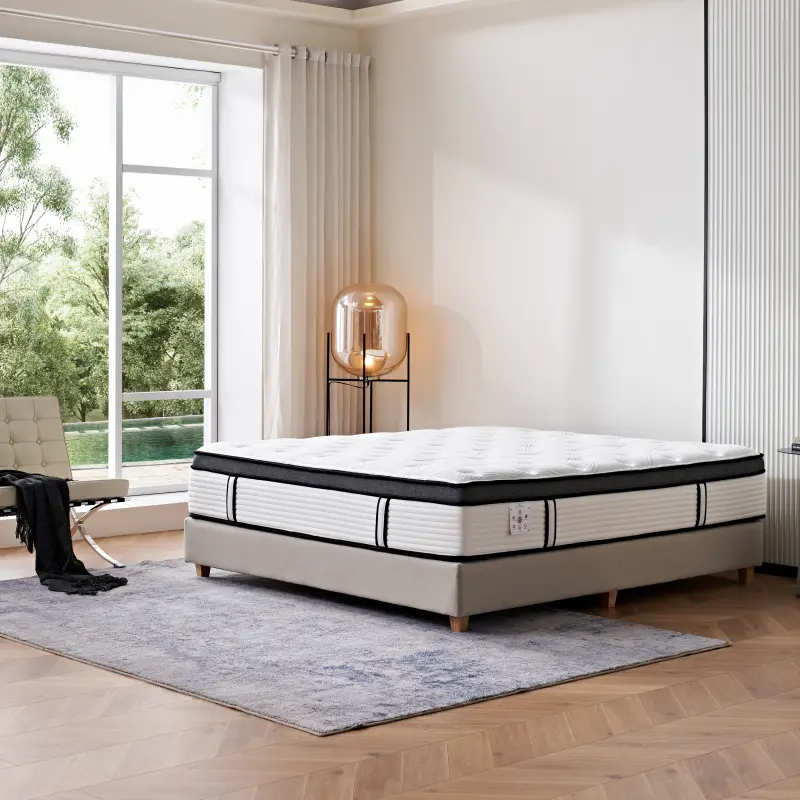
The global hospitality industry has entered a new phase where guest expectations are shaped by recent health awareness, higher hygiene standards, and a stronger focus on restorative sleep. For hotel owners, operators, procurement teams, hospitality investors, and project suppliers, the pocket spring mattress is no longer just a background furnishing. It has become a visible part of the guest experience and a strategic asset that affects online reviews, repeat bookings, housekeeping efficiency, and long-term room performance.
Post-pandemic hotel demand is now driven by two priorities: comfort and hygiene. Guests expect a mattress that feels supportive, premium, and comfortable, but they also expect it to feel clean, fresh, and well maintained. For B2B buyers, this means the traditional approach to hotel mattress purchasing is no longer enough. The best purchasing decisions now balance sleep comfort, hygiene performance, durability, operational efficiency, and brand positioning.
2. Comfort as a Competitive Advantage in Hotels
Comfort remains the most important factor in hotel guest satisfaction. A hotel room may have excellent design, lighting, service, and amenities, but if the mattress fails to deliver quality sleep, the overall experience can feel incomplete. For hotel operators, comfort is not only about softness or firmness. It is about balanced support, pressure relief, motion isolation, edge stability, breathability, and consistent performance across hundreds of guest nights.
A strong hotel mattress should support different types of travelers, including business guests, leisure travelers, couples, families, and long-stay visitors. Each group has different sleep preferences, but all expect a comfortable and reliable sleeping surface. For hotel chains and boutique properties, a well-chosen mattress can become part of the brand identity, especially when comfort is promoted as a key guest benefit.
From a B2B perspective, comfort also affects operational performance. A mattress that maintains its shape, support, and surface quality over time reduces guest complaints, lowers replacement frequency, and protects the hotel’s reputation. For procurement teams, this means comfort should be evaluated not only during sampling, but also through durability testing, material quality, foam density, spring performance, and long-term structural stability.

3. Hygiene as a Non-Negotiable Hotel Standard
Hygiene has become one of the most visible concerns in post-pandemic hospitality. Guests are more aware of cleanliness, surface care, air quality, and shared-use products. In hotel rooms, the mattress is one of the most used items, and it must remain fresh, clean, and well protected throughout its service life.
For B2B buyers, hygiene is not only about daily housekeeping. It is also about choosing a mattress that supports easier maintenance and reduces the risk of odor, moisture buildup, allergen accumulation, and surface contamination. Features such as breathable covers, moisture-resistant layers, anti-bacterial fabric treatments, hypoallergenic materials, and removable protective layers can help hotels maintain a cleaner sleep environment.
Hygiene also supports staff efficiency. A memory foam mattress that is easier to inspect, protect, clean, and maintain reduces housekeeping time and improves room turnover. For large hotels, this operational advantage can be significant. For B2B buyers, hygiene should therefore be treated as both a guest-facing benefit and an internal operational requirement.
4. Key Mattress Features Hotels Should Prioritize
When evaluating post-pandemic hotel mattress demand, B2B buyers should look beyond price and focus on features that support both comfort and hygiene. The right combination depends on the hotel segment, room type, guest profile, climate, and replacement cycle.
Important features to consider include:
Balanced support core: Provides consistent comfort for different body types and sleep positions.
Breathable cover fabric: Helps improve airflow and reduce moisture buildup.
Anti-bacterial or hypoallergenic treatment: Supports a cleaner sleep surface between cleaning cycles.
Moisture-resistant protection: Helps protect the mattress from spills, humidity, and housekeeping challenges.
Durable edge support: Improves safety, usability, and lifespan in high-turnover rooms.
Motion isolation: Reduces disturbance for couples and shared rooms.
Easy maintenance design: Supports faster inspection, cleaning, and room preparation.
For luxury hotels, the mattress should feel premium while remaining practical. For business hotels, it should deliver consistent comfort with strong durability. For resorts and wellness hotels, breathability, cooling comfort, and hygiene features may become more important. For B2B buyers, the best hotel mattress is one that matches the property’s positioning without creating unnecessary maintenance costs.
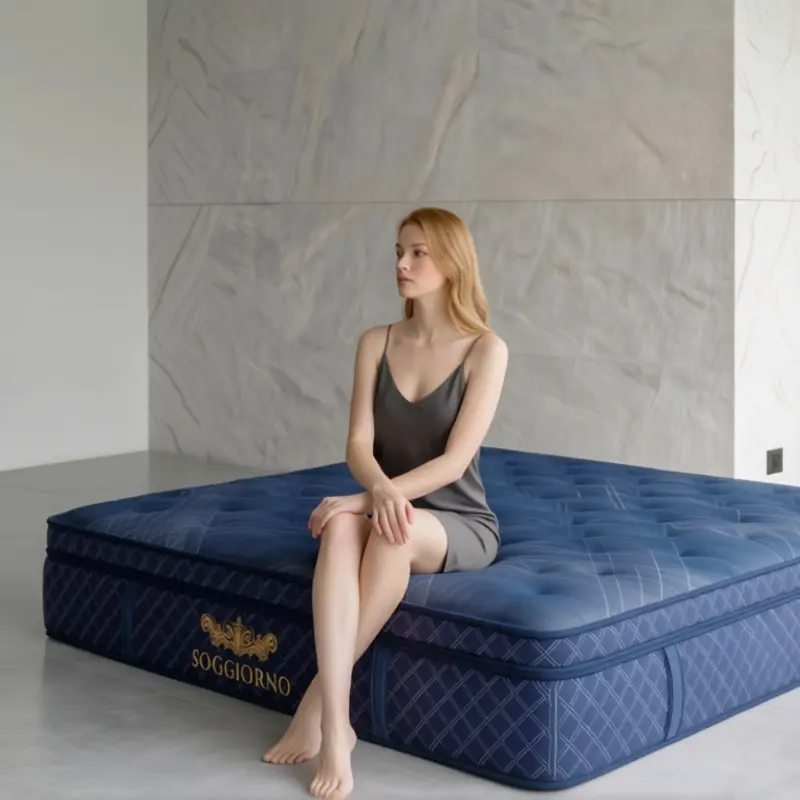
5. Durability and Total Cost of Ownership for Hotel Buyers
One of the most important B2B considerations is total cost of ownership. A low initial mattress price may look attractive, but if the product loses support, develops odor, shows premature wear, or creates guest complaints, the real cost can be much higher. For hotels, replacement costs, guest compensation, negative reviews, and operational disruption can all affect profitability.
A durable hotel mattress should maintain its comfort and structural performance over a realistic replacement cycle. Buyers should evaluate foam density, spring quality, cover strength, stitching durability, edge reinforcement, compression resistance, and resistance to moisture or humidity. For tropical or humid markets, moisture control and breathability become especially important.
Working with a professional mattress factory allows B2B buyers to choose materials and construction methods that match their expected usage. A hotel mattress designed for commercial use should be tested for repeated occupancy, cleaning cycles, transportation, and long-term support. For procurement teams, durability is not just a product feature. It is a financial and operational advantage.
6. OEM, ODM, and Bulk Mattress Sourcing for Hotel Projects
For hotel chains, developers, and hospitality suppliers, sourcing a mattress at scale requires more than selecting a standard model. Different room types often need different mattress specifications. Standard rooms, suites, executive floors, family rooms, and wellness rooms may each require a different balance of comfort, height, firmness, and hygiene performance.
OEM and ODM services allow B2B buyers to develop a hotel mattress that aligns with their brand standards. Buyers can customize size, thickness, firmness, cover fabric, fire safety compliance, packaging, labeling, and branding details. This flexibility is especially useful for hotel groups that want a consistent sleep experience across multiple properties.
A reliable mattress factory should also support bulk production with consistent quality control. For large hotel projects, every mattress should meet the same comfort, safety, and hygiene standards. Buyers should request clear product specifications, material information, testing documentation, and quality inspection processes before placing large orders.
7. Choosing the Right Mattress Partner for Hotel Projects
The right mattress partner should understand both hospitality operations and commercial manufacturing. For B2B buyers, the best supplier is not simply the one offering the lowest price, but the one that can deliver consistent comfort, hygiene performance, durability, and reliable delivery.
When choosing a hotel mattress supplier, buyers should consider:
Hospitality experience: Understanding of hotel usage, guest expectations, and room turnover.
Customization capability: Support for different sizes, firmness levels, fabrics, and branding.
Quality control: Consistent inspection of materials, construction, and finished products.
Compliance awareness: Knowledge of fire safety, labeling, and market-specific requirements.
Production capacity: Ability to supply large-volume orders on time.
After-sales reliability: Clear warranty terms, technical support, and replacement guidance.
For hotel projects, a strong mattress partnership helps reduce procurement risk. It allows operators to standardize room comfort, improve hygiene confidence, and protect long-term asset value.
8. Conclusion: A Hotel Mattress Strategy Built on Comfort and Hygiene
Post-pandemic hotel mattress demand is no longer defined by price alone. Today’s hospitality buyers need a mattress that supports guest comfort, hygiene confidence, operational efficiency, durability, and brand positioning. A well-designed hotel mattress can improve sleep quality, strengthen guest satisfaction, reduce maintenance burden, and protect long-term investment.
For B2B buyers, the best approach is to choose a mattress that balances comfort engineering with hygiene-friendly construction. By working with a professional mattress factory, hotel owners, operators, developers, and procurement teams can source a mattress that meets commercial demands while creating a cleaner, more comfortable, and more reliable guest experience.
 How We Handle Large Mattress Orders: 2000–5000 PCS Bulk Shipment



 You May Also Like





 Tel
Tel
 Email
Email
 Address
NO.9 industry rd, Gegao, Longjiang, Shunde, Foshan,China