

 Inquire (
 HOME
HOMEPrivate Label Mattress: OEM/ODM Service for Your Brand
 Aug 21,2026

 Cloud Point
1. Why Private Label Mattress Partnerships Are Reshaping the B2B Bedding Industry
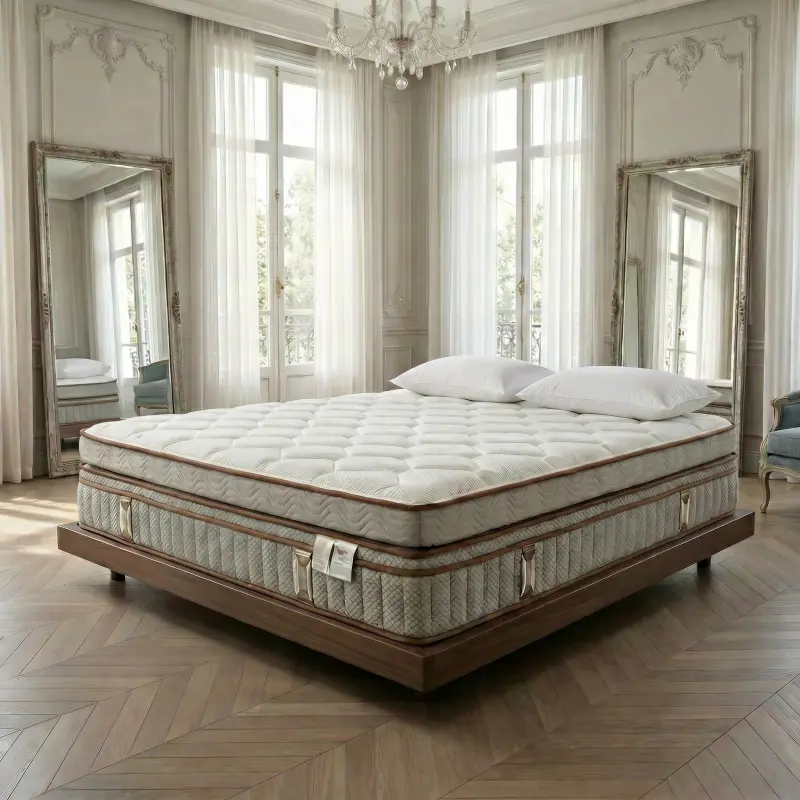
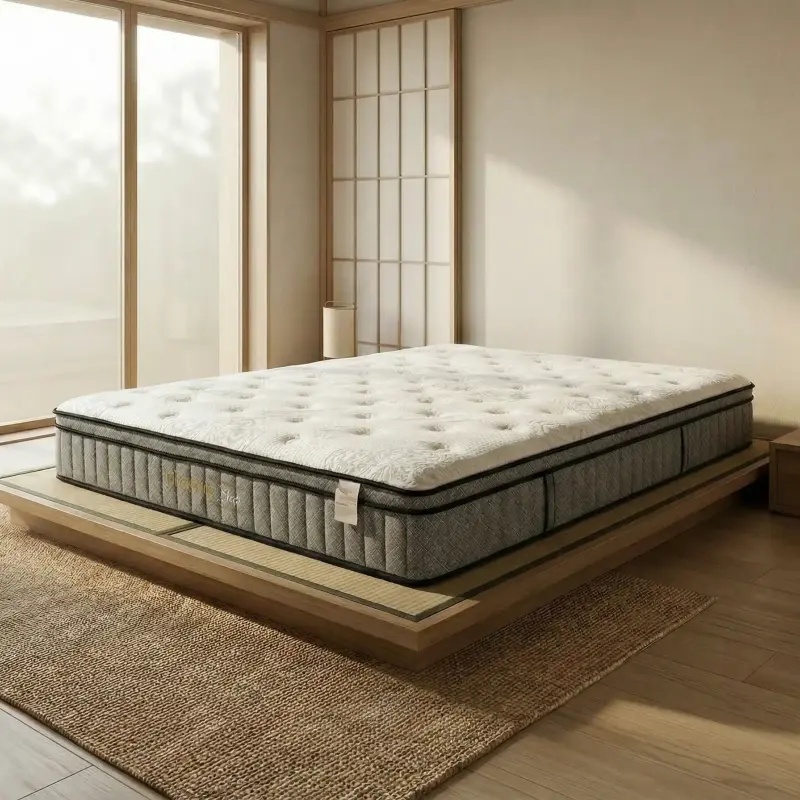
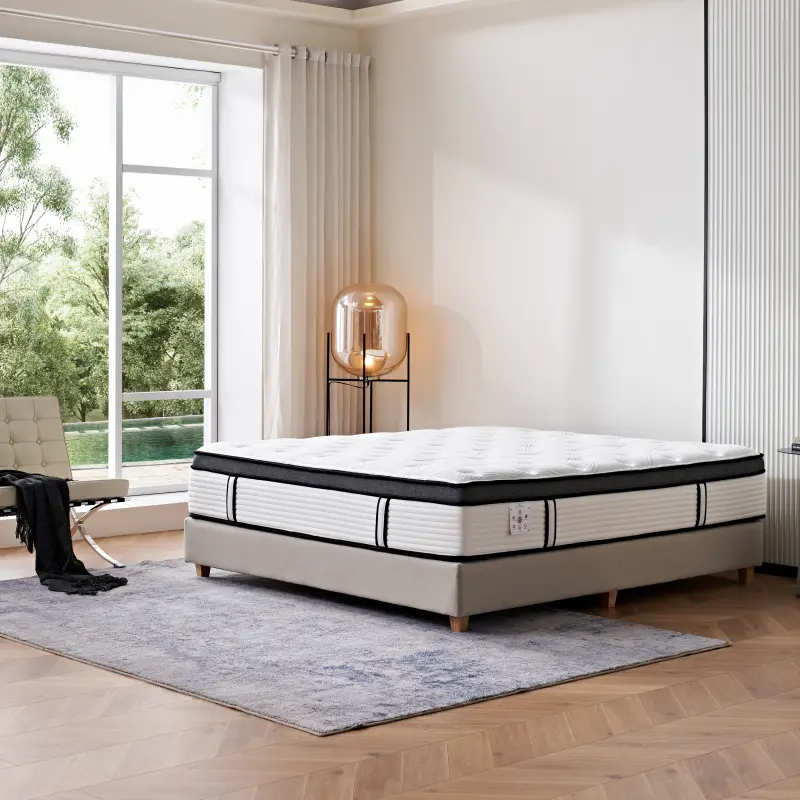
In today’s competitive bedding market, brand identity is the strongest asset a business can build. For retailers, hospitality groups, e-commerce sellers, wellness brands, and project buyers, launching a private label mattress is one of the most effective ways to create a unique product line without investing in factory infrastructure. A private label mattress allows brands to offer a product that reflects their positioning, quality standards, and customer expectations—while relying on the manufacturing expertise of a professional mattress factory.
The demand for private label mattress solutions has grown rapidly because B2B buyers no longer want generic products. They want a pocket spring mattress that carries their brand name, meets their target price point, and delivers consistent performance across bulk orders. Whether the goal is to expand a retail catalog, supply hotel chains, or build an online bedding brand, a reliable OEM/ODM mattress partner can turn a product concept into a market-ready mattress with efficiency and precision.
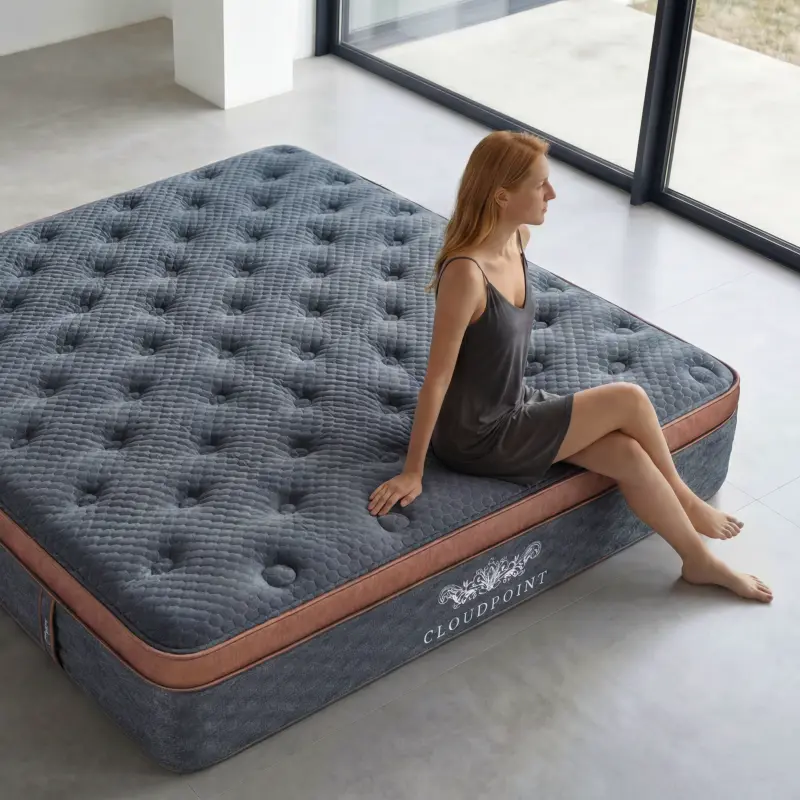
2. OEM vs ODM: Choosing the Right Private Label Mattress Model
Understanding the difference between OEM and ODM services is essential for B2B buyers who want to develop a successful private label mattress line. Both models offer strong advantages, but they serve different business needs.
OEM, or Original Equipment Manufacturing, is ideal for buyers who already have a clear product specification. In an OEM model, the mattress factory produces the foam mattress according to the buyer’s design, materials, sizes, firmness levels, packaging, and branding requirements. This approach gives brands full control over product details while benefiting from the factory’s production capacity and quality control systems.
ODM, or Original Design Manufacturing, is better suited for buyers who want professional product development support. In an ODM model, the mattress factory provides existing designs, material combinations, and construction options that the buyer can customize. This is especially useful for new brands, online sellers, or hospitality buyers who want a competitive private label mattress without starting from scratch.
For B2B customers, the right choice depends on brand maturity, product knowledge, order volume, and market positioning. A flexible mattress factory should support both OEM and ODM models so buyers can choose the path that best fits their business strategy.
3. Customization Options That Strengthen Your Private Label Mattress
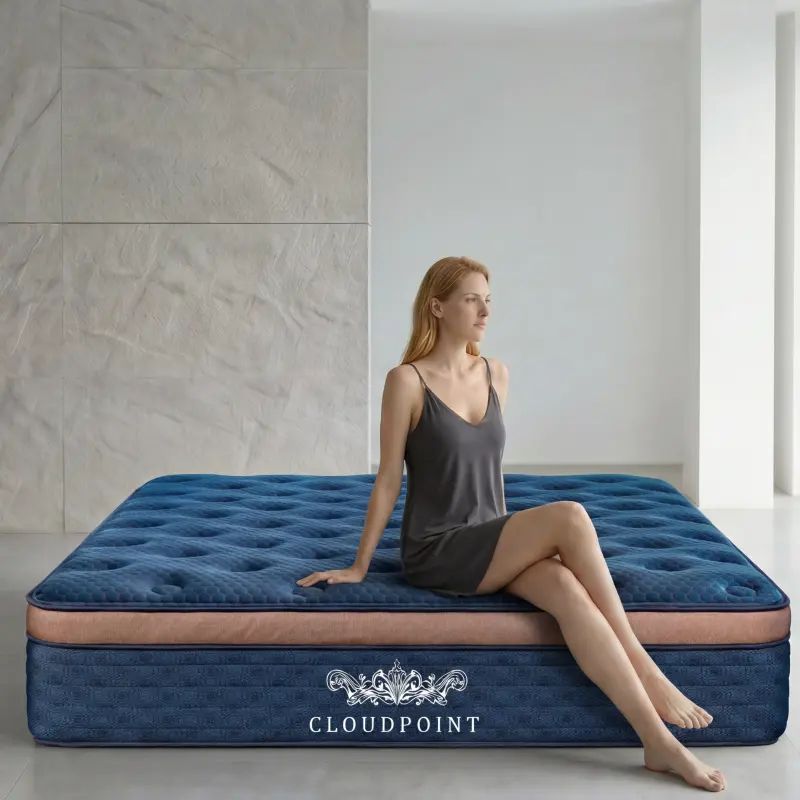
One of the biggest advantages of working with a mattress factory for private label mattress production is the ability to customize nearly every aspect of the product. Customization allows brands to create a hotel mattress that stands out in a crowded market and aligns with their target customers.
Key customization areas include:
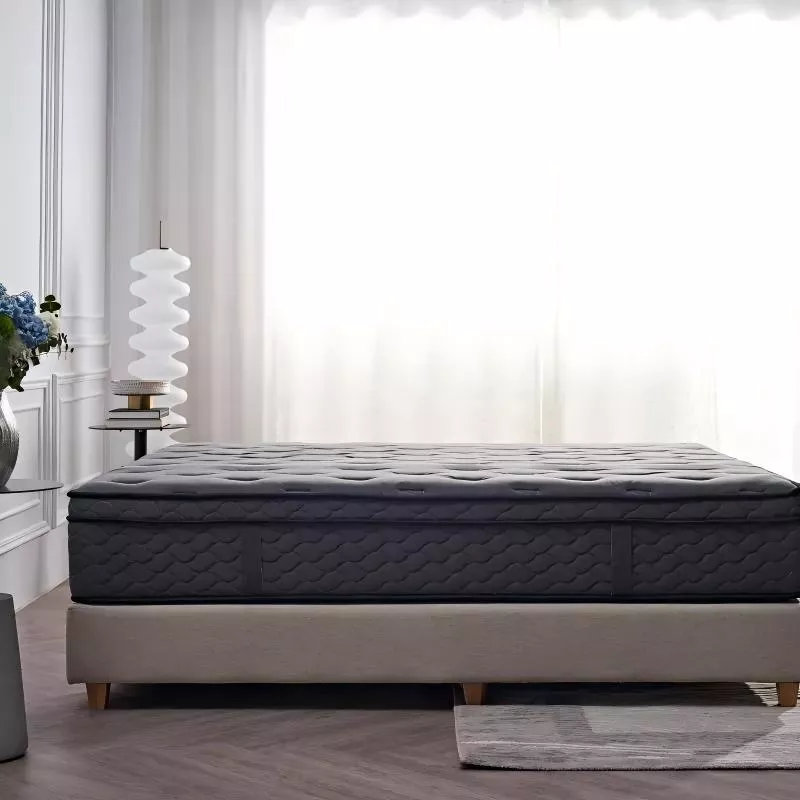
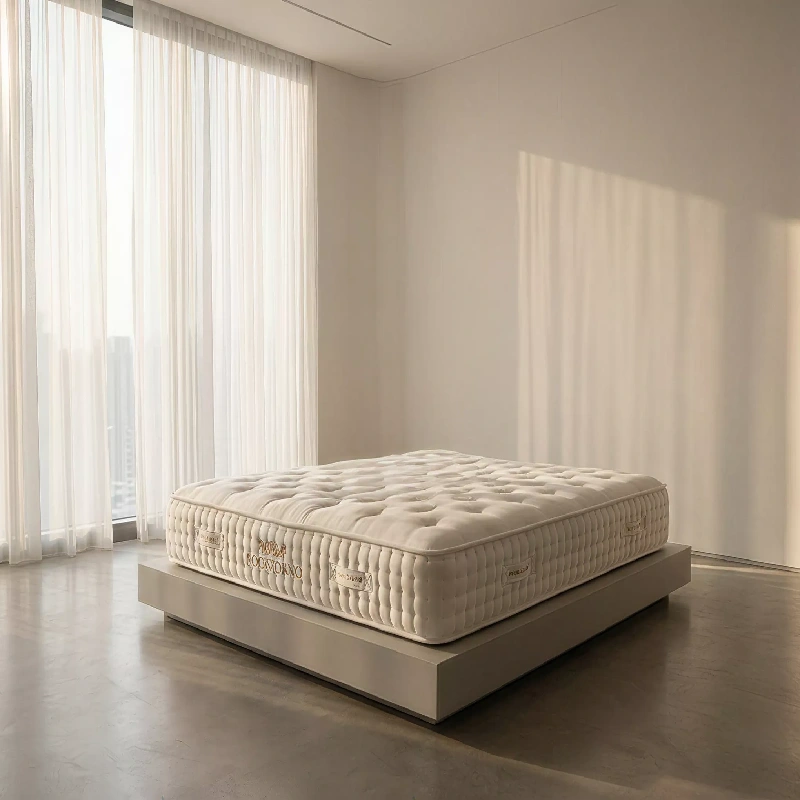
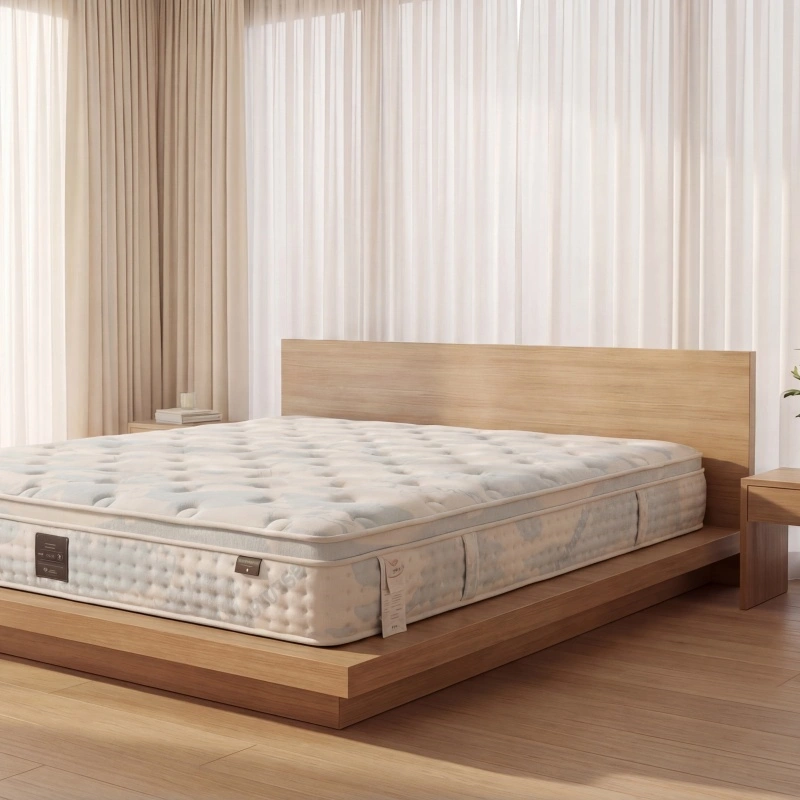
Mattress type: Memory foam, spring, hybrid, latex, gel foam, orthopedic, or hotel-grade models.
Firmness levels: Soft, medium, firm, or multi-zone support options.
Sizes and thickness: Standard sizes, custom dimensions, and adjustable height profiles.
Cover fabric: Breathable, anti-bacterial, hypoallergenic, cooling, or premium knitted fabrics.
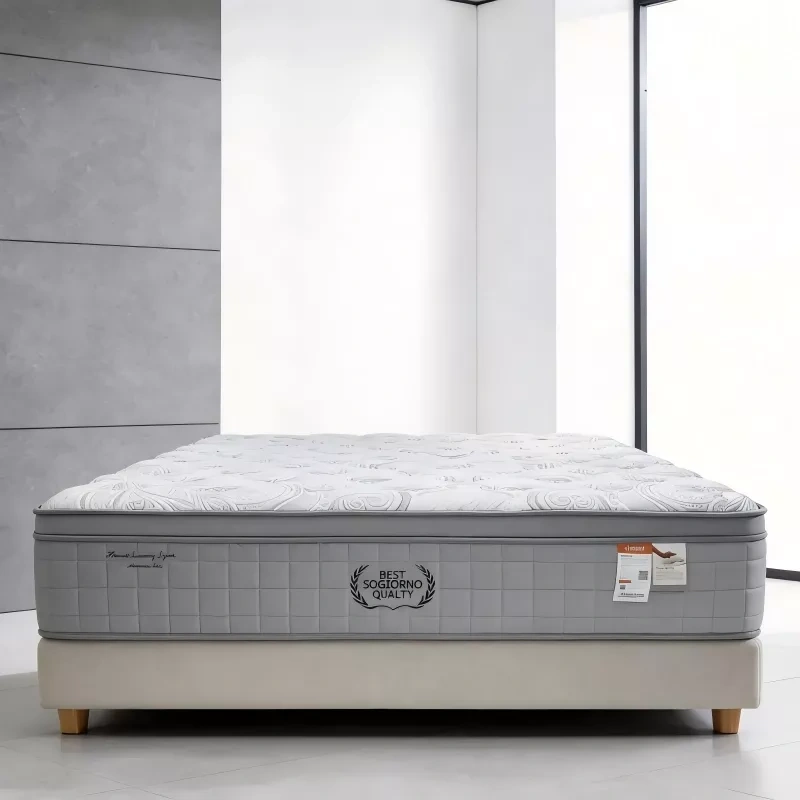
Branding details: Custom labels, logos, packaging, law labels, and product tags.
Performance features: Dust mite resistance, anti-bacterial treatment, edge support, motion isolation, and fire safety compliance.
For brands entering the bedding market, these options make it possible to build a private label mattress that feels distinct, performs reliably, and supports a strong brand story. For established buyers, customization helps refresh existing product lines and respond to changing consumer preferences.
4. Quality Control: The Foundation of a Strong Private Label Mattress Brand
For B2B buyers, quality consistency is more important than a single impressive sample. A private label mattress brand depends on repeat orders, customer trust, and long-term product performance. If the mattress quality varies between batches, it can damage brand reputation and increase after-sales issues.
A professional mattress factory should apply strict quality control throughout the production process. This includes checking raw materials, testing foam density, inspecting spring systems, evaluating stitching quality, verifying cover fabric durability, and ensuring the finished mattress meets agreed specifications.
For buyers sourcing a private label mattress, it is important to ask about inspection standards, material traceability, production testing, and packaging safety. A strong OEM/ODM partner will provide transparency at every stage, helping buyers feel confident that each mattress leaving the factory represents their brand properly.
5. Packaging, Compliance, and Logistics for Global Buyers
A private label mattress is not complete until it reaches the buyer’s warehouse, retail location, hotel project, or end customer. For international B2B buyers, packaging, compliance, and logistics are critical parts of the sourcing process.
Mattress packaging should protect the product during shipping while supporting brand presentation. Options may include compressed roll packing, flat packing, protective wrapping, branded cartons, and shipping marks. For e-commerce brands, compact packaging can reduce freight costs and improve delivery efficiency. For hotel and wholesale buyers, durable packaging helps prevent damage during bulk transport.
Compliance is equally important. Depending on the destination market, a mattress may need to meet fire safety, chemical safety, labeling, or environmental requirements. A professional mattress factory should help buyers understand which certifications and documentation are relevant to their market, reducing the risk of customs delays or compliance issues.
6. Why B2B Buyers Choose a Professional Mattress Factory for Private Label Production
Choosing the right mattress factory is one of the most important decisions for any private label mattress project. The right partner does more than manufacture products. They help buyers develop competitive designs, control costs, maintain consistent quality, and scale production as the brand grows.
For retailers, a private label mattress can improve profit margins and create exclusive product offerings. For hospitality buyers, it can support brand-specific guest comfort standards. For online sellers, it can build a recognizable bedding brand with customized packaging and product identity. For project buyers, it can ensure large-volume consistency across hotels, apartments, dormitories, or care facilities.
A strong OEM/ODM mattress factory acts as a production extension of the buyer’s business. It combines manufacturing capability, material expertise, design flexibility, and supply chain efficiency to help brands grow faster and more confidently.
7. Conclusion: Build a Stronger Bedding Brand with Private Label Mattress Manufacturing
A private label mattress is more than a product. It is a strategic tool for building brand identity, improving margins, and creating a differentiated offering in the bedding market. With the right OEM/ODM service, B2B buyers can develop a mattress that reflects their brand values, meets their customers’ needs, and performs consistently across bulk orders.
From material selection and comfort design to branding, quality control, packaging, and compliance, every detail matters. By partnering with a professional mattress factory, brands can turn a private label mattress concept into a reliable, scalable, and market-ready product—helping them compete more effectively in the global bedding industry.
 Smart Mattress Technology for B2B: What Buyers Need to Know




 You May Also Like









 Tel
Tel
 Email
Email
 Address
NO.9 industry rd, Gegao, Longjiang, Shunde, Foshan,China