

 Inquire (
 HOME
HOMEThe Ultimate Guide to Mattress Types & Buying Tips
 Apr 20,2026

 Cloud Point
The Ultimate Mattress Guide: How to Find Your Perfect Sleep
You spend roughly one-third of your life in bed. Yet, most people spend more time researching a new TV than they do researching the mattress they will sleep on for the next 7-10 years.
A bad mattress doesn't just cause a bad night's sleep; it can lead to chronic back pain, poor circulation, and even affect your mental health. With so many options—from memory foam to hybrid models—choosing the right one feels overwhelming.
In this ultimate guide, we break down the science behind sleep to help you find the perfect mattress for your body type and sleep style.
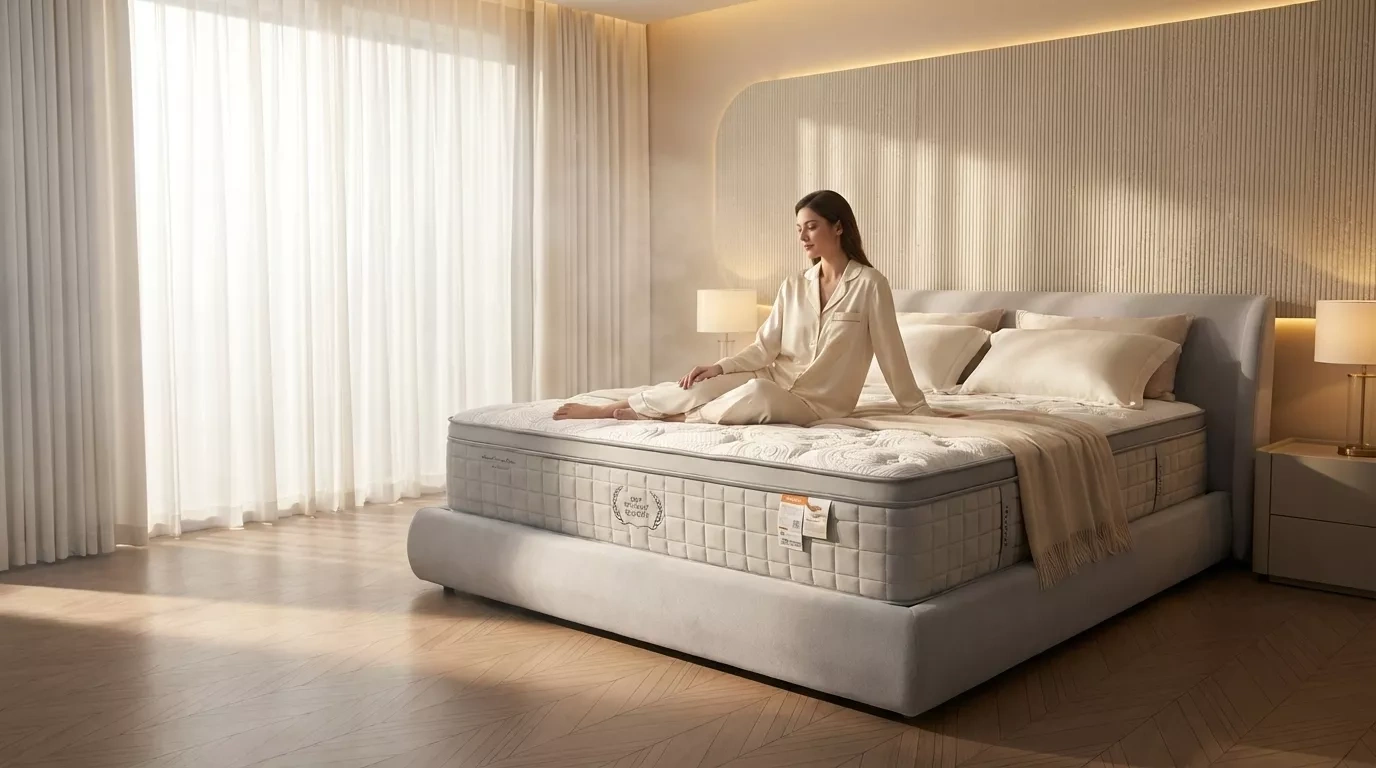
Why "Firm" Isn't Always Best: The Science of Spinal Alignment
One of the biggest myths in the mattress industry is that "the firmer, the better." This couldn't be further from the truth.
The "Sagging" Effect: When you lie down, your body has specific pressure points—your hips and shoulders. If your mattress is too soft, these points sink too deeply, causing your spine to bend unnaturally. This is often called the "hammock effect."
The "Floating" Effect: Conversely, if the mattress is too hard, your shoulders and hips don't get the cushioning they need. This creates pressure points, cutting off circulation and causing you to toss and turn.
The Goldilocks Zone: The best mattress provides pressure relief where you need it (hips/shoulders) and support where you need it (lower back). For most adults, this is a medium-firm feel.
Mattress Showdown: Which Type is Right for You?
Let's compare the three most popular types of mattresses on the market today. Understanding these will help you decide what to buy online or in-store.
1. Memory Foam Mattresses
Made famous by NASA technology, memory foam molds to your body shape.
●
Best for: Side sleepers, people with chronic pain.
●
Pros: Excellent motion isolation (great for couples), contouring comfort.
●
Cons: Can retain heat (though modern gels have fixed this), "stuck in the mud" feeling for some.
2. Innerspring Mattresses
The traditional choice, relying on steel coils for support.
●
Best for: Back sleepers, hot sleepers (they breathe well), budget shoppers.
●
Pros: Bouncy feel, cooler sleep, generally cheaper.
●
Cons: Less pressure relief, noisy over time, prone to sagging.
3. Hybrid Mattresses
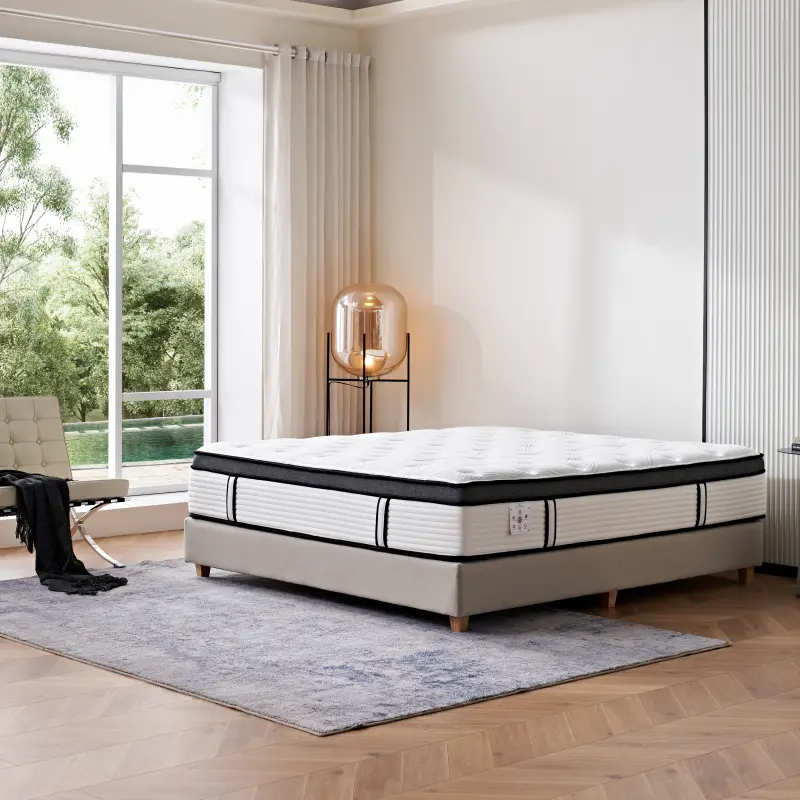
The modern favorite. These combine the support of innerspring coils with the comfort of foam or latex layers.
●
Best for: Combination sleepers, those who want the best of both worlds.
●
Pros: Balanced support and softness, good temperature regulation.
●
Cons: Heavier (harder to move), can be more expensive.
Targeted Solutions: Picking the Right Mattress
Don't just buy a mattress based on price. Buy based on your specific needs.
1. Mattress for Back Pain
If you suffer from lower back pain, look for a pocket spring mattress with zoned support. This means the middle section is firmer to keep your lumbar spine aligned. Avoid ultra-soft plush tops.
2. Mattress for Heavy People
Larger individuals (over 230 lbs) need durability. Look for high-density foams and thicker-gauge coils. A soft mattress will bottom out quickly; opt for firm or extra-firm options.
3. Mattress for Kids & Toddlers
Children need a firm surface for proper spinal development. Avoid memory foam for toddlers due to suffocation risks and heat retention. A breathable, organic cotton mattress is often best.
The "Try Before You Buy" Online Revolution
Gone are the days of buying a mattress based on a 5-minute laydown in a stuffy showroom.
The Sleep Trial: Most modern mattress brands (DTC) offer 100+ night sleep trials. This is the best way to test if a mattress truly works for you in your own home.
The Return Policy: Check the fine print. Some brands charge restocking fees, while others offer free returns. A good brand stands by its mattress.
Conclusion: Investing in Your Sleep Health
Choosing a mattress is a personal journey. It’s not just a piece of furniture; it’s an investment in your health.
Whether you need a soft mattress for pressure relief or a firm mattress for support, remember to prioritize:
1.
Support: Keeps your spine straight.
2.
Comfort: Keeps you cool and cushioned.
3.
Durability: Lasts for years without sagging.
Stop sleeping on a bad mattress. Take the plunge, use the sleep trial, and wake up refreshed.
 Mattress Buying Mistakes to Avoid in 2026 (Save Your Money)
 You May Also Like





 Tel
Tel
 Email
Email
 Address
NO.9 industry rd, Gegao, Longjiang, Shunde, Foshan,China